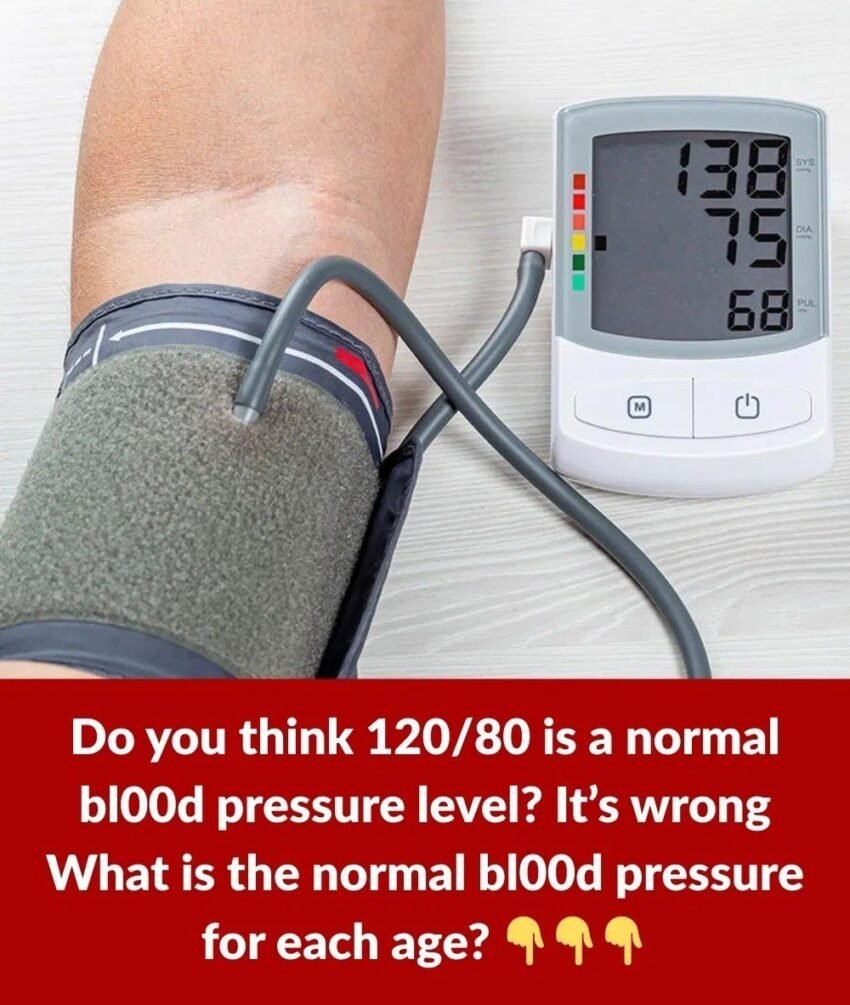
What Is Normal Blood Pressure for Your Age
Introduction
Blood pressure (BP) is a vital measure of heart and overall health. It indicates the force of blood against the walls of your arteries as your heart pumps. Maintaining normal blood pressure is crucial for reducing the risk of heart disease, stroke, kidney problems, and other complications. Normal BP ranges vary by age, lifestyle, and health conditions.
Understanding Blood Pressure Readings
Blood pressure is recorded as two numbers:
- Systolic pressure (top number): Pressure in arteries when the heart beats.
- Diastolic pressure (bottom number): Pressure in arteries when the heart rests between beats.
For example, a reading of 120/80 mmHg means 120 systolic and 80 diastolic.
Normal Blood Pressure by Age
| Age Group | Normal BP (mmHg) | Notes |
|---|---|---|
| Children 1–5 | 80–110 / 50–80 | BP varies with height and growth; pediatric checkups recommended |
| Children 6–12 | 85–120 / 55–80 | Monitoring is important, especially for overweight children |
| Teenagers 13–19 | 95–130 / 60–85 | Blood pressure rises gradually with age and development |
| Adults 20–39 | 110–130 / 70–85 | Healthy lifestyle is key to maintaining normal BP |
| Adults 40–59 | 120–135 / 75–85 | Risk of hypertension increases; regular screening advised |
| Adults 60+ | 120–140 / 70–90 | Slightly higher readings may be normal, but monitoring is important |
Factors That Affect Blood Pressure
Several factors can influence BP at any age:
- Weight and diet: High salt, processed foods, and obesity raise BP.
- Physical activity: Sedentary lifestyle increases risk of hypertension.
- Stress and sleep: Chronic stress and poor sleep affect BP.
- Medical conditions and medications: Diabetes, kidney disease, and certain drugs can influence readings.
Tips for Maintaining Normal Blood Pressure
- Eat a Heart-Healthy Diet: Focus on fruits, vegetables, whole grains, lean proteins, and low-sodium foods.
- Exercise Regularly: Aim for 30 minutes of moderate activity most days.
- Maintain a Healthy Weight: Even modest weight loss improves BP.
- Limit Alcohol and Avoid Smoking: Both can elevate blood pressure.
- Monitor at Home: Track readings to detect early changes.
- Manage Stress: Meditation, deep breathing, or yoga can help.
Conclusion
Normal blood pressure varies across different ages, generally ranging from 110–140/70–90 mmHg for adults. Maintaining a healthy lifestyle, monitoring readings, and addressing risk factors are essential for cardiovascular health and long-term well-being.
I can also make a visual age-based blood pressure chart showing normal, elevated, and high BP at a glance for easy reference.
Do you want me to create that chart?