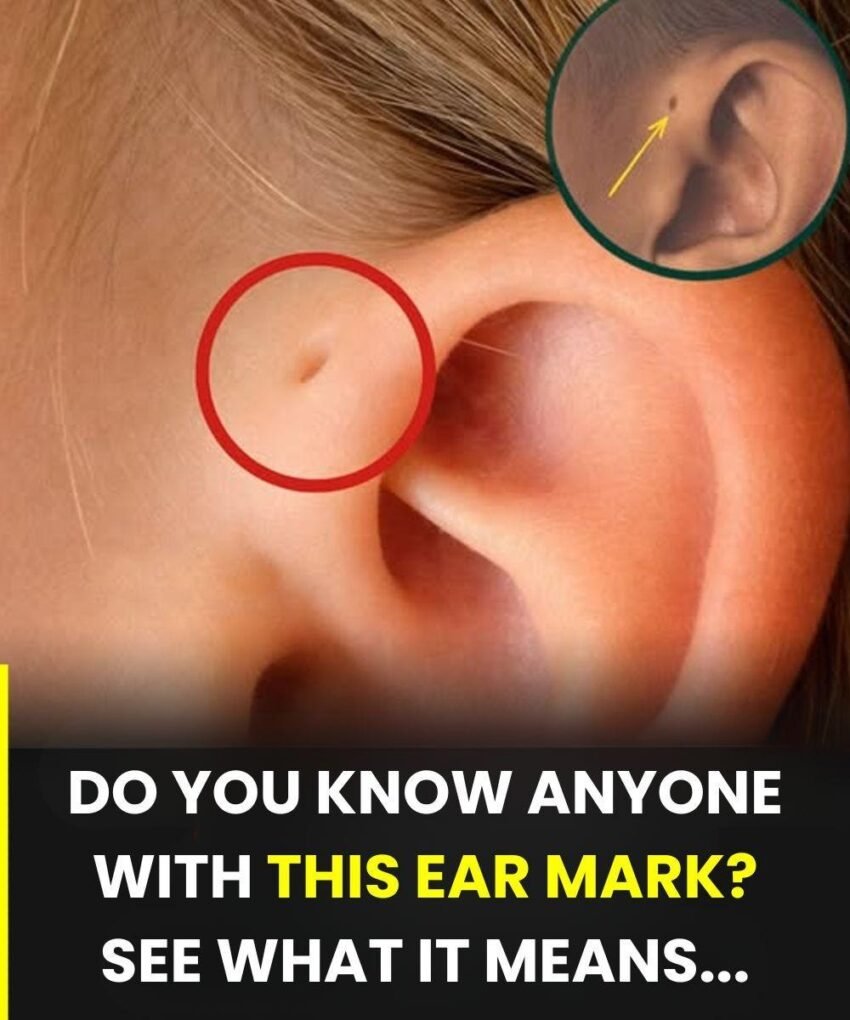
Understanding Preauricular Pits: What You Need to Know
What is a Preauricular Pit?
A preauricular pit is a small congenital indentation or hole located near the front of the ear, just above the ear canal. It is present from birth and is relatively uncommon, occurring in about 0.1% to 0.9% of the population in some regions, though rates vary among different ethnic groups.
These pits are usually harmless but can sometimes be associated with other medical conditions.
Causes and Development
Preauricular pits develop during the early stages of fetal development when the ear structures are forming. Specifically, they occur due to incomplete fusion of the six small swellings of tissue known as auricular hillocks, which eventually form the outer ear.
Genetics can play a role. In some families, preauricular pits appear in multiple members, indicating a hereditary pattern.
Potential Health Concerns
While most preauricular pits are benign, they can occasionally lead to complications:
- Infections:
Dirt or bacteria can accumulate in the pit, leading to swelling, redness, and discharge. - Cysts:
Occasionally, a cyst may form if the pit becomes blocked. This may require medical intervention. - Association with Syndromes:
Rarely, preauricular pits may appear as part of syndromes affecting the kidneys or ears, such as branchio-oto-renal (BOR) syndrome.
It’s important for individuals with recurrent infections or other symptoms to consult a healthcare provider.
Diagnosis
A preauricular pit is usually diagnosed visually by a doctor during a routine physical examination. In cases of repeated infections or associated syndromes, further testing may include:
- Ultrasound or MRI of the ear and surrounding tissues
- Kidney function tests if a syndrome is suspected
Treatment Options
Most preauricular pits do not require treatment. However, intervention may be necessary if complications arise:
- Infection Management:
Antibiotics can treat infections in the pit. Warm compresses may also help relieve discomfort. - Surgical Removal:
Recurrent infections or cyst formation may necessitate surgical excision. This is usually a minor procedure performed under local or general anesthesia.
Living With a Preauricular Pit
People with preauricular pits can generally live normal, healthy lives. Preventative measures include:
- Keeping the area clean and dry
- Avoiding irritation or trauma to the pit
- Seeking medical attention for recurrent infections
Conclusion
A preauricular pit is a small congenital ear feature that is mostly harmless but can occasionally cause complications. Awareness, hygiene, and medical guidance when necessary ensure that it does not impact overall health or quality of life.
If you want, I can also create a “quick care guide” version that reads like a practical recipe for keeping the pit clean and infection-free, using step-by-step instructions.
Do you want me to make that version too?