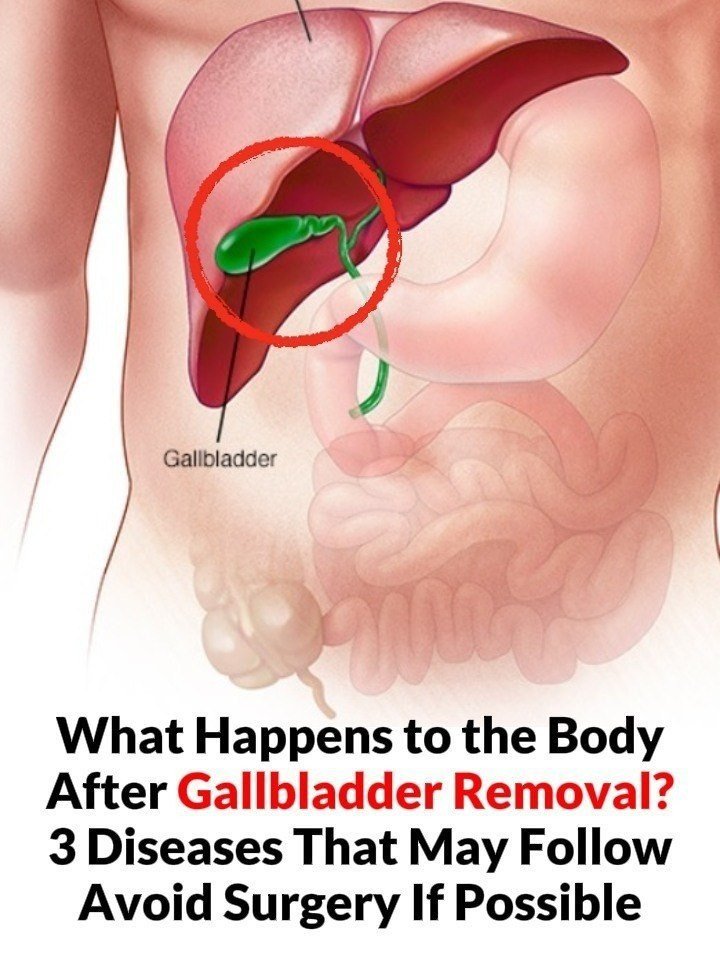
After Gallbladder Removal: 3 Conditions You Could Develop — And When Surgery Is Truly Necessary
Introduction
Gallbladder removal, medically known as Cholecystectomy, is one of the most commonly performed abdominal surgeries. It is often recommended for people suffering from painful Gallstones or gallbladder inflammation.While the procedure is generally safe and effective, some individuals experience digestive or metabolic changes afterward. Understanding these potential effects helps you make informed decisions and manage your health properly.
How the Body Changes After Gallbladder Removal
The gallbladder stores and concentrates bile, which helps digest fats. After removal, bile flows continuously from the liver into the intestine rather than being released in controlled amounts.
This change can affect digestion, particularly when consuming fatty foods.
1. Postcholecystectomy Syndrome
What It Is
A collection of symptoms that may occur after surgery, known as Postcholecystectomy syndrome.
Common Symptoms
- Bloating
- Gas
- Abdominal discomfort
- Nausea
Why It Happens
The continuous flow of bile may irritate the digestive tract or fail to match the body’s needs during meals.
Management
- Eat smaller, more frequent meals
- Limit high-fat and fried foods
- Increase dietary fiber gradually
2. Chronic Diarrhea
What It Is
Some patients develop ongoing loose stools due to excess bile entering the intestines.
Causes
Bile acids can stimulate the colon, leading to faster bowel movements.
Management
- Follow a low-fat diet
- Include soluble fiber (such as oats or bananas)
- In persistent cases, doctors may prescribe bile acid–binding medications
3. Acid Reflux and Upper Digestive Symptoms
What It Is
An increased tendency toward Gastroesophageal reflux disease in some individuals.
Symptoms
- Heartburn
- Sour taste in the mouth
- Throat irritation
Why It Happens
Changes in bile flow and digestion may affect stomach acidity and esophageal function.
Management
- Avoid large or late meals
- Reduce spicy and acidic foods
- Elevate the head while sleeping
Should You Avoid Gallbladder Surgery?
When Surgery Is Necessary
Avoiding surgery is not always the safer option. It is strongly recommended when you have:
- Recurrent pain from gallstones
- Gallbladder inflammation or infection
- Blockage of bile ducts
Delaying treatment in these cases can lead to serious complications such as infection or pancreatitis.
When You May Delay Surgery
If symptoms are mild or occasional:
- Adopt a low-fat diet
- Maintain a healthy weight
- Monitor symptoms with medical guidance
However, recurring attacks usually indicate that surgery will eventually be needed.
Dietary Guidelines After Gallbladder Removal
Foods to Include
- Boiled or steamed vegetables
- Lean proteins such as chicken or fish
- Whole grains like rice and oats
- Low-fat dairy products
Foods to Limit
- Fried and greasy foods
- High-fat meats
- Processed snacks
- Heavy, creamy dishes
Sample Daily Meal Plan
Breakfast
Oatmeal with a small amount of honey and banana
Lunch
Grilled chicken with rice and steamed vegetables
Snack
Yogurt or a piece of fruit
Dinner
Light soup with whole grain bread
Long-Term Outlook
Most people adapt well after gallbladder removal. Digestive symptoms, if present, are usually temporary and improve over time with dietary adjustments.
Conclusion
Gallbladder removal is not something to avoid out of fear alone. While conditions like Postcholecystectomy syndrome, diarrhea, or Gastroesophageal reflux disease can occur, they are typically manageable.
For individuals with significant Gallstones or complications, surgery remains a safe and effective treatment that prevents more serious health risks.
A balanced diet, gradual lifestyle adjustments, and proper medical guidance are the key to maintaining good health after the procedure.