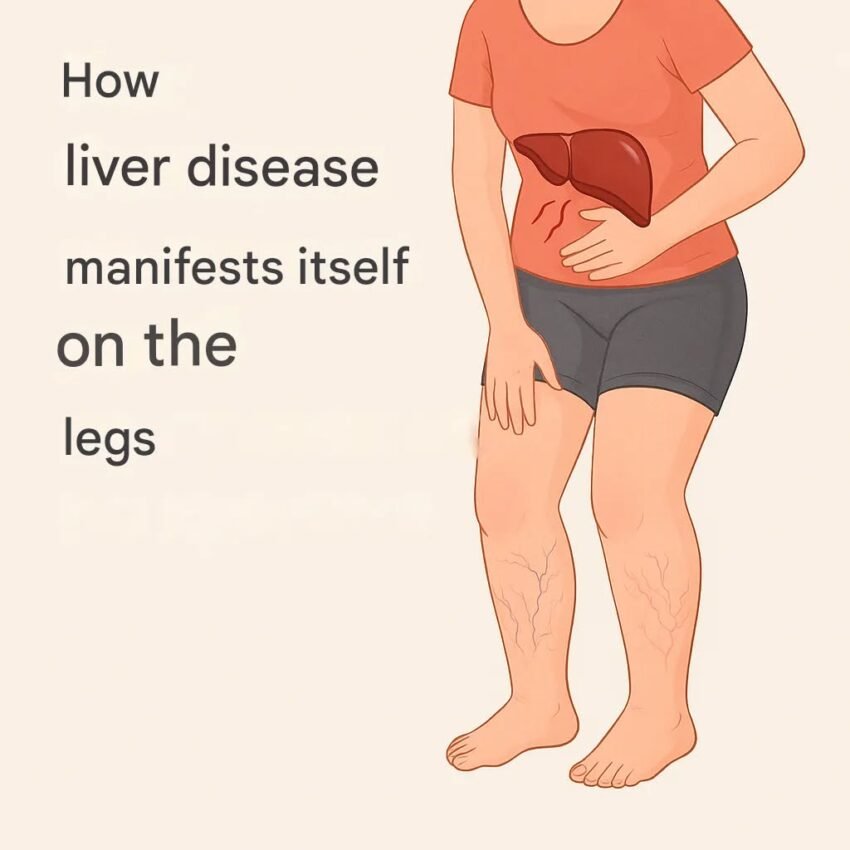
Your Legs Are Screaming “HELP!”: 5 Warning Signs Linked to Liver Problems
The liver plays a central role in circulation, fluid balance, and toxin removal. When it is not functioning properly, changes can sometimes show up in the legs. These signs are not diagnostic on their own, and many have non-liver causes, but persistent or unexplained symptoms should prompt medical evaluation.
1. Swelling of the Feet, Ankles, or Lower Legs
Fluid buildup (edema) in the legs can occur when liver disease lowers albumin levels or increases pressure in the veins supplying the liver.
What to watch for:
-
Swelling that worsens by the end of the day
-
Indentations left after pressing the skin (pitting edema)
-
Tight shoes or socks leaving deep marks
2. Persistent Itching Without a Rash
Liver dysfunction can cause bile salts to accumulate in the bloodstream, leading to intense itching, often affecting the legs and feet.
Key features:
-
Itching that is worse at night
-
No visible rash or only scratch marks
-
Poor response to typical anti-itch creams
3. Muscle Cramps or Weakness
People with chronic liver disease may experience frequent leg cramps due to:
-
Electrolyte imbalances
-
Reduced muscle energy metabolism
-
Poor circulation
Cramps may occur at rest or during sleep and can be recurrent.
4. Changes in Skin Color or Appearance
Certain skin changes in the legs may be associated with liver problems, including:
-
Yellowing of the skin (jaundice)
-
Darkening or uneven pigmentation
-
Easy bruising or small spider-like veins
These changes often appear alongside symptoms elsewhere in the body.
5. Unusual Pain or Heaviness in the Legs
Poor circulation related to advanced liver disease can sometimes cause:
-
A heavy or aching sensation in the legs
-
Increased visibility of veins
-
Fatigue or discomfort when standing or walking for long periods
Important Context
These signs do not automatically mean liver disease. Leg swelling, itching, and cramps are far more commonly caused by conditions such as heart disease, kidney issues, venous insufficiency, medications, dehydration, or nutritional deficiencies.
However, when leg symptoms occur together with other signs—such as abdominal swelling, yellowing of the eyes, dark urine, pale stools, or chronic fatigue—liver function should be considered.
When to Seek Medical Care
You should contact a healthcare provider if:
-
Leg swelling or itching is persistent or worsening
-
Symptoms appear suddenly or on both legs
-
You have known liver disease or risk factors (heavy alcohol use, viral hepatitis, fatty liver disease)
-
Leg symptoms occur along with jaundice, confusion, or abdominal swelling
Bottom Line
Your legs can sometimes reflect what is happening internally, including issues related to liver health. Paying attention to persistent or unexplained changes—and getting timely medical advice—can make a meaningful difference in identifying underlying problems early.
If you want, I can also explain how liver disease is diagnosed, which symptoms are most concerning, or how to reduce liver strain through daily habits.