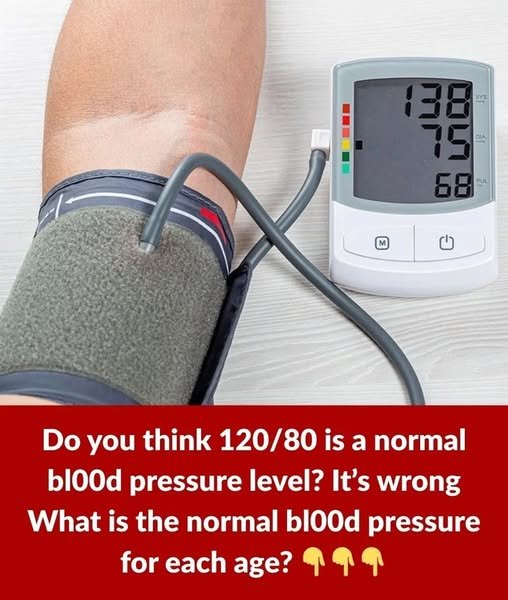
Blood pressure “normal” actually changes with age—and for kids it’s based on percentiles, not fixed numbers. Here’s a clear, practical breakdown 👇
Adults (18 years and older)
For all adults, the same categories are used regardless of age:
| Category | Systolic (top number) | Diastolic (bottom number) |
|---|---|---|
| Normal | < 120 | < 80 |
| Elevated | 120–129 | < 80 |
| High BP (Stage 1) | 130–139 | 80–89 |
| High BP (Stage 2) | ≥ 140 | ≥ 90 |
➡️ Normal adult BP = below 120/80 mmHg
Older adults often run slightly higher, but the goal is still <120/80 if safely possible.
Children & Teens (1–17 years)
For kids, “normal” depends on age, sex, and height. Doctors use percentiles, but these are typical averages:
Infants
- Newborn (0–1 month): ~60–90 / 20–60
- Infant (1–12 months): ~80–100 / 55–65
Young Children
- 1–5 years: ~90–110 / 55–75
- 6–12 years: ~95–120 / 60–80
Teens
- 13–17 years: ~110–130 / 65–85
➡️ In children, normal = below the 90th percentile for their age, sex, and height.
Quick Takeaways 💡
- Adults: One standard goal — <120/80
- Kids: BP rises gradually as they grow
- Teens: Start to resemble adult values
- A single high reading doesn’t mean hypertension—patterns matter
If you want, tell me your age (or your child’s age) and I can help interpret a specific blood pressure reading 👀💙