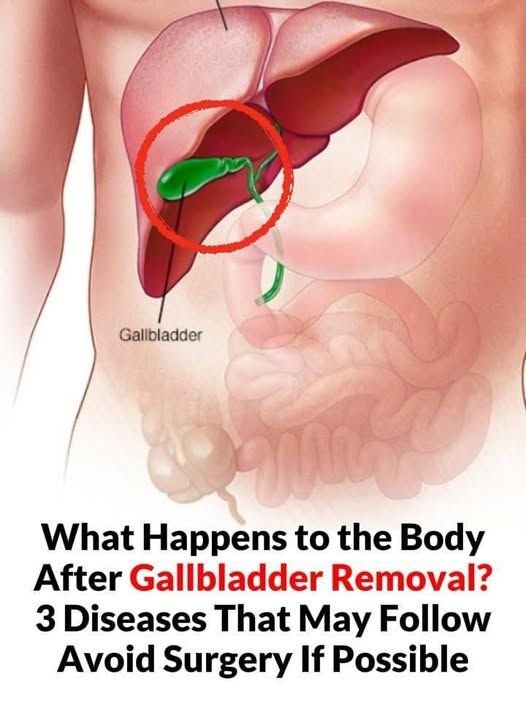
What Happens to the Body After Gallbladder Removal?
3 Conditions That May Follow — Why Surgery Should Be Carefully Considered
Gallbladder removal (cholecystectomy) is one of the most common surgical procedures worldwide. While it can be lifesaving in emergencies, it is often presented as a routine solution for gallstones or gallbladder pain. However, the gallbladder plays an important role in digestion, and removing it can lead to long-term physiological changes in some people.
This article explains what changes occur after gallbladder removal and highlights three medical conditions that may develop afterward, helping patients make informed decisions when surgery is not urgently required.
The Role of the Gallbladder in the Body
The gallbladder stores and concentrates bile produced by the liver. Bile is released in controlled amounts to help digest fats when food enters the small intestine.
After removal:
-
Bile flows continuously into the intestine
-
There is no storage or timed release
-
Fat digestion becomes less efficient for some individuals
While many people adapt well, others experience chronic symptoms.
1. Post-Cholecystectomy Syndrome (PCS)
Post-cholecystectomy syndrome refers to a collection of digestive symptoms that persist or appear after gallbladder removal.
Common symptoms
-
Chronic diarrhea
-
Bloating and gas
-
Abdominal pain
-
Nausea
-
Fat intolerance
Why it happens
-
Constant bile flow irritates the intestines
-
Disrupted coordination between bile release and digestion
-
Changes in gut bacteria
Studies suggest that up to 10–20 percent of patients experience long-term symptoms after surgery.
2. Bile Acid Diarrhea and Irritable Bowel–Like Disorders
Without a gallbladder, bile acids may overwhelm the intestines, particularly the colon.
Potential consequences
-
Chronic watery diarrhea
-
Urgency after meals
-
Symptoms resembling irritable bowel syndrome (IBS)
Why it matters
-
Often misdiagnosed
-
Can persist for years if untreated
-
May require bile acid–binding medications or dietary changes
This condition is increasingly recognized as a common but underdiagnosed outcome of gallbladder removal.
3. Increased Risk of Fatty Liver Disease and Metabolic Changes
Gallbladder removal alters bile signaling, which plays a role in metabolism and liver regulation.
Potential long-term effects
-
Increased risk of non-alcoholic fatty liver disease (NAFLD)
-
Changes in cholesterol metabolism
-
Weight gain in some individuals
-
Higher risk of insulin resistance
While not everyone develops these issues, research shows a higher incidence of metabolic disorders in people who have undergone cholecystectomy.
Other Possible Long-Term Effects
Some individuals may also experience:
-
Acid reflux or bile reflux gastritis
-
Difficulty absorbing fat-soluble vitamins (A, D, E, K)
-
Increased sensitivity to fatty or fried foods
These effects vary widely depending on diet, gut health, and individual physiology.
When Gallbladder Surgery Is Necessary
Gallbladder removal is clearly indicated in cases such as:
-
Acute gallbladder infection
-
Gallbladder perforation
-
Pancreatitis caused by gallstones
-
Suspected gallbladder cancer
-
Repeated severe attacks unresponsive to treatment
In these situations, surgery can be lifesaving and should not be delayed.
When Surgery May Be Avoidable or Delayed
In non-emergency cases, alternatives may be considered:
-
Dietary fat reduction
-
Weight management
-
Treating insulin resistance
-
Monitoring asymptomatic gallstones
-
Medical management under physician supervision
Many people with gallstones never develop symptoms and do not require surgery.
Important Considerations Before Surgery
Before agreeing to gallbladder removal, patients should discuss:
-
Whether symptoms clearly originate from the gallbladder
-
Non-surgical management options
-
Potential long-term digestive consequences
-
Individual risk factors for post-surgical complications
Informed consent is critical, as gallbladder removal is permanent.
Conclusion
Gallbladder removal can be necessary and lifesaving in certain situations, but it is not always a harmless or consequence-free procedure. Long-term digestive issues, bile acid disorders, and metabolic changes can occur in a significant number of patients.
When surgery is not urgent, careful evaluation and conservative management may help avoid lifelong complications. Patients should work closely with healthcare professionals to weigh risks, benefits, and alternatives before proceeding.
If you want, I can:
-
Add scientific references
-
Rewrite this for news, blog, or YouTube
-
Create a patient decision guide
-
Add a “Who should not delay surgery” clarification section
Just tell me how you’d like to use it.