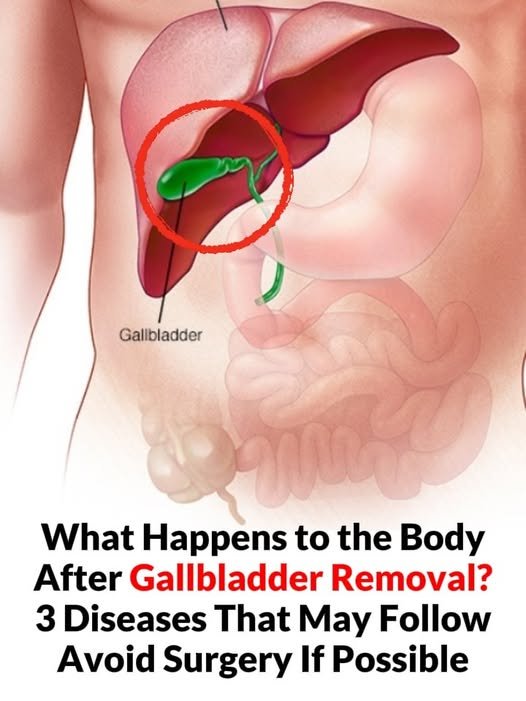
Here’s what typically happens after gallbladder removal and three potential issues that can arise:
What Happens After Gallbladder Removal:
-
Bile Flow Changes:
After surgery, bile is constantly released into the intestines, rather than being released in controlled bursts after eating fatty foods. This can cause a change in digestion, especially when consuming high-fat meals, which may result in discomfort, diarrhea, or bloating. -
Digestive Adjustments:
Since bile is now flowing continuously into the intestines, some people experience diarrhea, especially after eating fatty foods. It’s also common for the body to take some time to adjust to the lack of bile storage, which can temporarily affect digestion. -
Potential Nutrient Deficiency:
Without the gallbladder’s bile storage function, the body might struggle with absorbing fat-soluble vitamins (A, D, E, and K). This can lead to nutrient deficiencies over time, especially if there’s a significant shift in diet or the body doesn’t adapt well to the continuous bile flow.
3 Diseases That May Follow Gallbladder Removal
-
Postcholecystectomy Syndrome (PCS):
This is a condition where patients experience persistent abdominal pain, bloating, diarrhea, or indigestion after their gallbladder is removed. While many people recover without long-term effects, some continue to have digestive issues, which can sometimes be a result of bile acids irritating the intestines or improper digestion of fats. -
Bile Duct Stones (Choledocholithiasis):
After gallbladder removal, stones can sometimes form in the bile ducts that are still present in the liver. These stones can cause blockages and lead to pain, jaundice, or inflammation (called cholangitis), requiring further treatment, such as endoscopic procedures to remove them. -
Sphincter of Oddi Dysfunction (SOD):
The Sphincter of Oddi is a muscle that controls bile flow from the bile duct into the small intestine. After gallbladder removal, this muscle can sometimes malfunction, leading to pain (similar to what was felt with gallstones), nausea, and bloating. This condition can be challenging to diagnose and manage, sometimes requiring medications or procedures to address the dysfunction.
Tips to Minimize Issues After Gallbladder Removal:
-
Dietary Adjustments: Focus on smaller, more frequent meals, and reduce high-fat foods. This can help with digestion and prevent discomfort.
-
Gradual Introduction of Foods: Slowly reintroduce fatty foods into your diet after surgery to help your digestive system adapt.
-
Stay Hydrated: Drinking plenty of water can help with digestion and prevent constipation.
If you experience persistent or severe symptoms post-surgery, it’s important to follow up with your doctor, as some of these conditions can be managed with medication or other treatments.