Here is a clear, medically accurate article built from that premise, written with proper headings and a neutral tone.
Herpes Zoster (Shingles): Causes, Triggers, and Effects
Introduction
Herpes zoster, commonly known as shingles, is a viral disease caused by the reactivation of the varicella-zoster virus. This is the same virus responsible for chickenpox. After a person recovers from chickenpox, the virus does not leave the body. Instead, it remains dormant in the nervous system and can reactivate later in life.
What Causes Herpes Zoster
Herpes zoster occurs when the immune system is weakened and can no longer keep the dormant virus under control. The virus then travels along nerve pathways to the skin, causing a painful rash and other symptoms.
Common Triggers
The disease is often activated by conditions that place stress on the body, including:
-
Physical or emotional stress
-
Fatigue or lack of sleep
-
Illness or infection
-
Aging, which naturally weakens immunity
-
Medical treatments that suppress the immune system
These factors reduce the body’s ability to defend itself, allowing the virus to become active again.
Symptoms
Herpes zoster typically begins with early warning signs such as:
-
Burning, tingling, or pain in a specific area of the body
-
Sensitivity to touch
-
Headache or mild fever
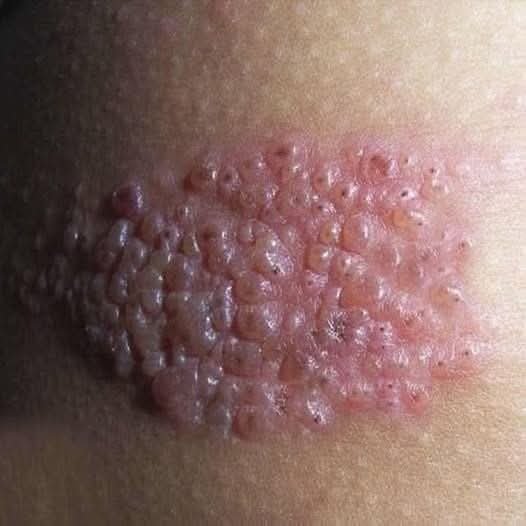
Within a few days, a rash develops, usually on one side of the body or face. The rash turns into fluid-filled blisters that eventually scab over and heal.
Complications
In some cases, herpes zoster can lead to complications, including:
-
Postherpetic neuralgia, a condition causing long-term nerve pain
-
Vision problems if the eyes are affected
-
Skin infections if blisters are not properly cared for
The risk of complications increases with age and weakened immunity.
Prevention and Management
Vaccination is the most effective way to reduce the risk of developing herpes zoster and its complications. Early medical treatment with antiviral medications can shorten the duration of the illness and reduce pain if started promptly.
Maintaining a healthy immune system through adequate rest, balanced nutrition, stress management, and regular medical care also plays an important role in prevention.
Conclusion
Herpes zoster is a reactivation of a virus that remains in the body after chickenpox. It is often triggered by stress and weakened immunity, leading to painful and sometimes serious symptoms. Awareness, early treatment, and preventive measures can significantly reduce its impact on overall health.
If you want this rewritten in simpler language, expanded for a health brochure, or adapted for a school or news article, just tell me.