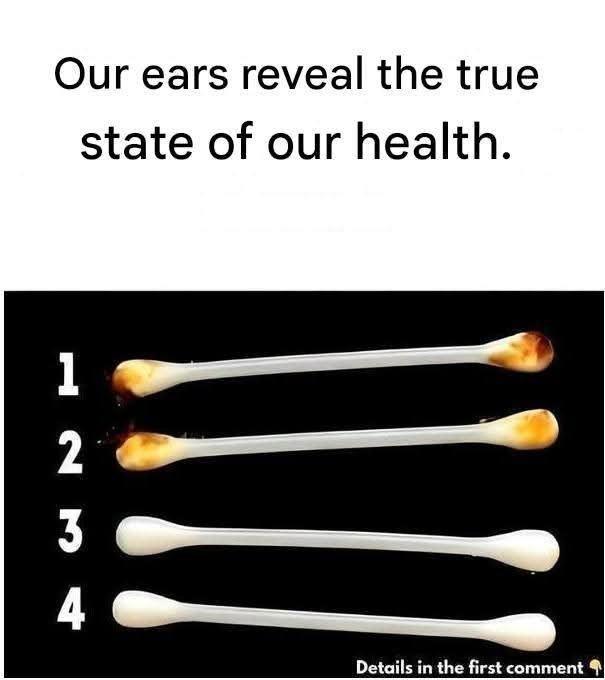
“Our Ears Reveal the True State of Our Health”
Many people don’t realize it, but the ears can offer surprising insights into your overall health. Beyond hearing, the structure, appearance, and even minor changes in the ears can sometimes signal underlying conditions. While these observations are not a substitute for medical evaluation, paying attention to your ears can provide early clues about your health.
1. Ear Shape and Creases
Earlobe Creases (Frank’s Sign)
- A diagonal crease on the earlobe has been studied as a potential indicator of heart disease risk.
- Research suggests it may correlate with atherosclerosis (narrowing of arteries).
- Not everyone with earlobe creases is at risk, but it can be a reason to monitor cardiovascular health.
Unusual Ear Shapes
- Certain congenital ear shapes or asymmetries may sometimes relate to genetic conditions, though most are harmless.
2. Ear Color and Temperature
- Red ears may indicate fever, high blood pressure, or inflammation.
- Pale or bluish ears can suggest poor circulation or oxygenation issues.
- Warm ears can occasionally signal infection or systemic inflammation.
3. Earwax and Ear Canal Health
- Excessive earwax buildup can cause temporary hearing loss or discomfort.
- Very dry or flaky skin inside the ear can indicate eczema or dehydration.
- Persistent itching or discharge may signal infection or underlying skin conditions.
4. Ear Pain and Discomfort
- Pain in or around the ear may point to:
- Ear infection
- Jaw problems (TMJ disorder)
- Sinus or throat infection
- Chronic or unexplained ear pain should be evaluated by a healthcare professional.
5. Ringing in the Ears (Tinnitus)
- Tinnitus is a buzzing, ringing, or hissing sound perceived without external noise.
- Causes can include:
- Hearing loss from aging or loud noise
- Ear infections
- Circulatory issues
- Persistent tinnitus may indicate hearing or cardiovascular problems.
6. Ear Drooping or Swelling
- Sudden swelling or drooping may indicate trauma, infection, or inflammation.
- Unilateral changes (one ear only) should not be ignored.
7. Ear Lumps or Growths
- Small bumps may be cysts, benign growths, or infections.
- Persistent or unusual lumps should be evaluated for malignancy (rare but possible).
8. Hearing Ability as a Health Indicator
- Declining hearing can be associated with:
- Aging
- Noise exposure
- Cardiovascular disease
- Diabetes
- Early detection and management can prevent long-term complications.
How to Keep Your Ears Healthy
- Regular Checkups – Get your hearing checked periodically.
- Protect From Noise – Use ear protection in loud environments.
- Avoid Inserting Objects – Cotton swabs can push wax deeper or damage the ear canal.
- Stay Hydrated – Proper hydration supports healthy ear tissue.
- Monitor Changes – Note any sudden pain, color changes, or lumps.
When to See a Doctor
Seek professional care if you notice:
- Sudden or severe hearing loss
- Persistent pain, ringing, or swelling
- Discharge or bleeding from the ear
- Unexplained lumps or changes in ear color
Early evaluation can prevent complications and uncover systemic health issues.
Final Thoughts
Ears do more than hear—they can reflect cardiovascular health, hydration, and even potential infections or systemic conditions. While not every change is cause for alarm, paying attention to your ears and maintaining good ear hygiene can provide important clues about your overall health.
If you want, I can also provide a visual guide showing what ear signs reveal which health issues, making it easy to monitor your own ears at home.
Do you want me to create that guide?