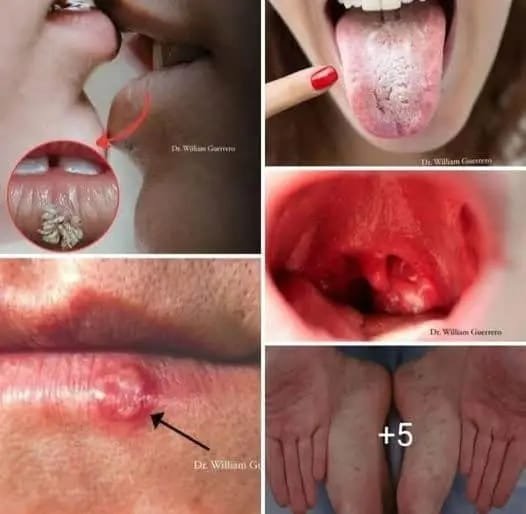
This is a really important topic — and knowing the facts (not fear) makes a real difference. Here’s a clear, practical guide to mouth cancer so you know what to watch for and when to act 👄🎗️
🦷 What Is Mouth (Oral) Cancer?
Mouth cancer is a type of head and neck cancer that can develop in:
- Lips
- Tongue
- Gums
- Inner cheeks
- Floor or roof of the mouth
- Back of the throat (oropharynx)
Early detection = much better outcomes.
🚨 Symptoms of Mouth Cancer (Don’t Ignore These)
Common early signs
- A sore that doesn’t heal after 2–3 weeks
- White, red, or mixed patches inside the mouth
- Persistent mouth pain or tenderness
- A lump, thickening, or rough spot
- Unexplained bleeding
More advanced symptoms
- Difficulty chewing or swallowing
- Tongue or jaw stiffness
- Numbness in mouth or lips
- Chronic sore throat or hoarseness
- Ear pain (without ear infection)
- Loose teeth (without dental cause)
👉 Pain is NOT always present early, which is why checks matter.
⚠️ Causes & Risk Factors
Major risk factors
- Tobacco use (smoking or chewing)
- Heavy alcohol use
- HPV infection (especially HPV-16)
- Excessive sun exposure (lip cancer)
Other contributors
- Poor oral hygiene
- Ill-fitting dentures
- Weakened immune system
- Age over 40 (but younger people can be affected too)
🧠 Stages of Mouth Cancer (Simplified)
- Stage I: Small, localized tumor
- Stage II: Larger tumor, still localized
- Stage III: Spread to nearby lymph nodes
- Stage IV: Spread to surrounding tissues or distant organs
Earlier stages are far easier to treat.
🏥 Treatment Options
Treatment depends on stage, location, and overall health:
- Surgery – remove tumor
- Radiation therapy
- Chemotherapy
- Targeted or immunotherapy (in some cases)
- Often a combination is used
Recovery and outcomes are much better when caught early.
🔍 How Mouth Cancer Is Detected
- Dental or medical exam
- Biopsy of suspicious area
- Imaging (CT, MRI, PET scans)
👉 Dentists are often the first to spot early signs during routine exams.
🛡️ How to Reduce Your Risk
- Stop smoking and tobacco use
- Limit alcohol
- Practice safe sex (HPV prevention)
- Use lip balm with SPF
- Maintain good oral hygiene
- Get regular dental checkups
🚨 When to see a doctor or dentist
- Any mouth sore, lump, or patch lasting more than 2 weeks
- Pain, numbness, or difficulty swallowing
- Changes that don’t improve or worsen
Don’t wait for pain — time matters.
Bottom line
Mouth cancer often whispers before it shouts.
Paying attention early can save your voice, your smile, and your life.
If you want, I can:
- Show how to do a self mouth check at home
- Help you tell harmless mouth sores vs concerning signs
- Explain HPV-related oral cancer more clearly
Just tell me — I’m here to help 💙