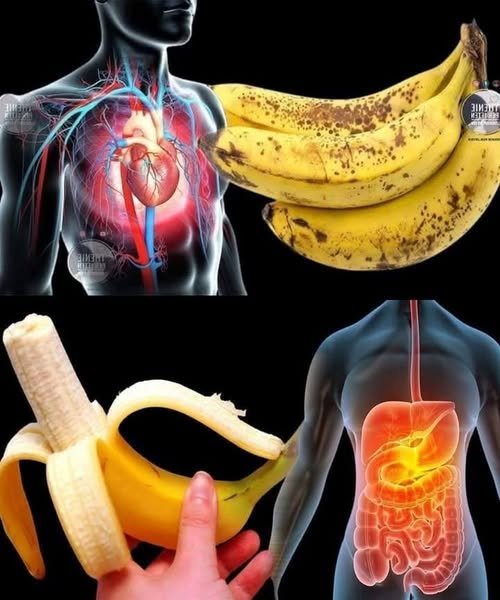
The Health Effects of Eating Bananas
Bananas are one of the most widely consumed fruits in the world. They are affordable, easy to eat, and rich in several important nutrients. Over the years, many claims have circulated about what bananas can “increase” in the body. This article explains what is scientifically supported and what is often misunderstood.
Nutritional Profile of Bananas
A medium-sized banana typically contains carbohydrates, dietary fiber, potassium, vitamin B6, vitamin C, and small amounts of magnesium. It is naturally low in fat and protein and contains no cholesterol. The carbohydrate content is primarily natural sugars and starch.
Effect on Energy Levels
Bananas can help increase short-term energy levels due to their carbohydrate content. The natural sugars provide quick energy, while fiber helps slow digestion and prevent rapid blood sugar spikes. This makes bananas a popular choice before or after physical activity.
Impact on Potassium Levels
Bananas are well known for their potassium content. Potassium plays a key role in muscle function, nerve signaling, and fluid balance. Eating bananas can contribute to maintaining healthy potassium levels, though they are not the only good source. Foods such as beans, potatoes, yogurt, and leafy greens also provide significant potassium.
Influence on Mood and Brain Function
Bananas contain vitamin B6 and tryptophan. Vitamin B6 supports neurotransmitter production, and tryptophan is an amino acid involved in serotonin synthesis. While bananas alone do not directly increase serotonin in the brain, they can support normal brain function as part of a balanced diet.
Digestive Health Benefits
The fiber in bananas supports digestive health. Unripe bananas contain resistant starch, which can act as a prebiotic and support beneficial gut bacteria. Ripe bananas are easier to digest and may help soothe the stomach during mild digestive upset.
Do Bananas Cause Weight Gain?
Bananas do not inherently cause weight gain. Weight gain depends on overall calorie intake and activity levels. Bananas contain moderate calories and can be part of a healthy diet when eaten in appropriate portions.
Common Myths and Misconceptions
Some claims suggest that bananas significantly increase testosterone, libido, or body fat. These claims are not supported by strong scientific evidence. Bananas support general health but should not be viewed as a treatment or enhancer for specific hormonal outcomes.
Conclusion
Eating bananas can support energy levels, digestion, and overall nutrient intake. While they do contribute to potassium and provide beneficial vitamins, many exaggerated claims about their effects are not scientifically proven. Like most foods, bananas are healthiest when consumed as part of a varied and balanced diet.