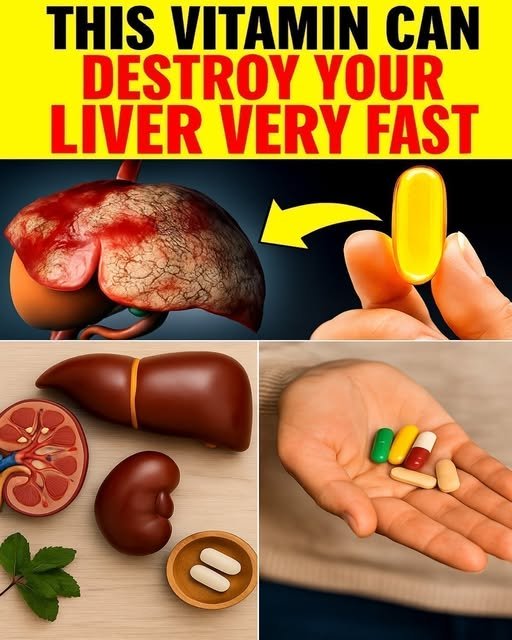
DEADLY: 9 Vitamins and Supplements That Can Damage Your Liver and Kidneys
Dietary supplements are widely marketed as safe and “natural” ways to improve health. However, scientific evidence shows that misuse, excessive dosing, or long-term unsupervised use of certain vitamins and supplements can cause serious liver and kidney damage. These organs are responsible for detoxifying and excreting substances from the body, making them especially vulnerable to supplement toxicity.
This article outlines nine commonly used vitamins and supplements that have been linked to liver or kidney injury, particularly when taken incorrectly.
1. High-Dose Vitamin A (Retinol)
Vitamin A is a fat-soluble vitamin stored in the liver. Chronic high intake can lead to accumulation and toxicity.
Potential risks
-
Liver inflammation and scarring
-
Elevated liver enzymes
-
Liver failure in severe cases
Who is at risk
-
People taking high-dose supplements
-
Long-term users without medical supervision
2. Excess Vitamin D
Vitamin D toxicity occurs when supplements are taken in doses far above recommended levels for extended periods.
Potential risks
-
High blood calcium levels (hypercalcemia)
-
Kidney stones
-
Kidney tissue damage and reduced kidney function
3. Niacin (Vitamin B3)
Niacin is sometimes used in high doses to manage cholesterol, but therapeutic doses should only be taken under medical supervision.
Potential risks
-
Liver enzyme elevation
-
Drug-induced hepatitis
-
Acute liver failure with sustained high doses
4. Green Tea Extract (Concentrated EGCG)
While drinking green tea is generally safe, concentrated green tea extracts used in weight-loss supplements have been linked to liver injury.
Potential risks
-
Liver inflammation
-
Hepatitis
-
Acute liver failure in rare cases
5. Iron Supplements (Without Deficiency)
Iron is essential but dangerous when consumed in excess, especially without confirmed deficiency.
Potential risks
-
Iron overload (hemochromatosis-like effects)
-
Oxidative liver damage
-
Liver fibrosis and cirrhosis
6. Excessive Protein Supplements
High-protein diets and protein powders can increase kidney workload, particularly in susceptible individuals.
Potential risks
-
Increased nitrogen waste burden
-
Accelerated kidney function decline
-
Worsening of pre-existing kidney disease
7. Toxic Herbal Supplements
Several herbal products have been directly linked to liver and kidney injury.
Notable examples
-
Kava – associated with liver failure
-
Comfrey – contains hepatotoxic alkaloids
-
Black cohosh – linked to liver toxicity
-
Garcinia cambogia – associated with acute liver injury
-
High-dose turmeric or contaminated curcumin products
8. Colloidal Silver
Colloidal silver is marketed as an immune booster despite lack of medical benefit.
Potential risks
-
Silver accumulation in tissues
-
Kidney damage
-
Permanent skin discoloration (argyria)
9. Creatine (Improper or Excessive Use)
Creatine is generally safe at recommended doses, but misuse can be harmful.
Potential risks
-
Kidney stress from dehydration
-
Elevated liver enzymes
-
Increased risk when combined with other supplements or poor hydration
Why Liver and Kidney Damage Happens
Fat-Soluble Vitamins Accumulate
Vitamins A, D, E, and K are stored in body fat and the liver. Excess intake cannot be easily excreted, increasing toxicity risk.
“Natural” Does Not Mean Safe
Herbal supplements often contain powerful bioactive compounds. Unlike prescription drugs, many are poorly regulated and may vary widely in strength and purity.
Warning Signs of Liver or Kidney Injury
Seek medical attention if you experience:
-
Yellowing of skin or eyes
-
Dark urine or pale stools
-
Persistent fatigue
-
Abdominal pain or swelling
-
Reduced or painful urination
-
Swelling in legs or ankles
Safe Supplement Use: Key Guidelines
-
Do not exceed recommended daily doses
-
Avoid combining multiple supplements with similar effects
-
Get blood tests before long-term supplementation
-
Consult a healthcare professional, especially if you have liver or kidney disease
-
Stop supplements immediately if symptoms develop
Conclusion
Supplements can be helpful when used correctly, but misuse can have life-threatening consequences. Liver and kidney damage from vitamins and supplements is real, documented, and often preventable. Responsible use, proper dosing, and medical guidance are essential for long-term health.
If you want, I can also:
-
Convert this into a blog post or news article
-
Add scientific references
-
Create a safe dosage table
-
Rewrite it for YouTube, social media, or a magazine
Just tell me how you want to use it.