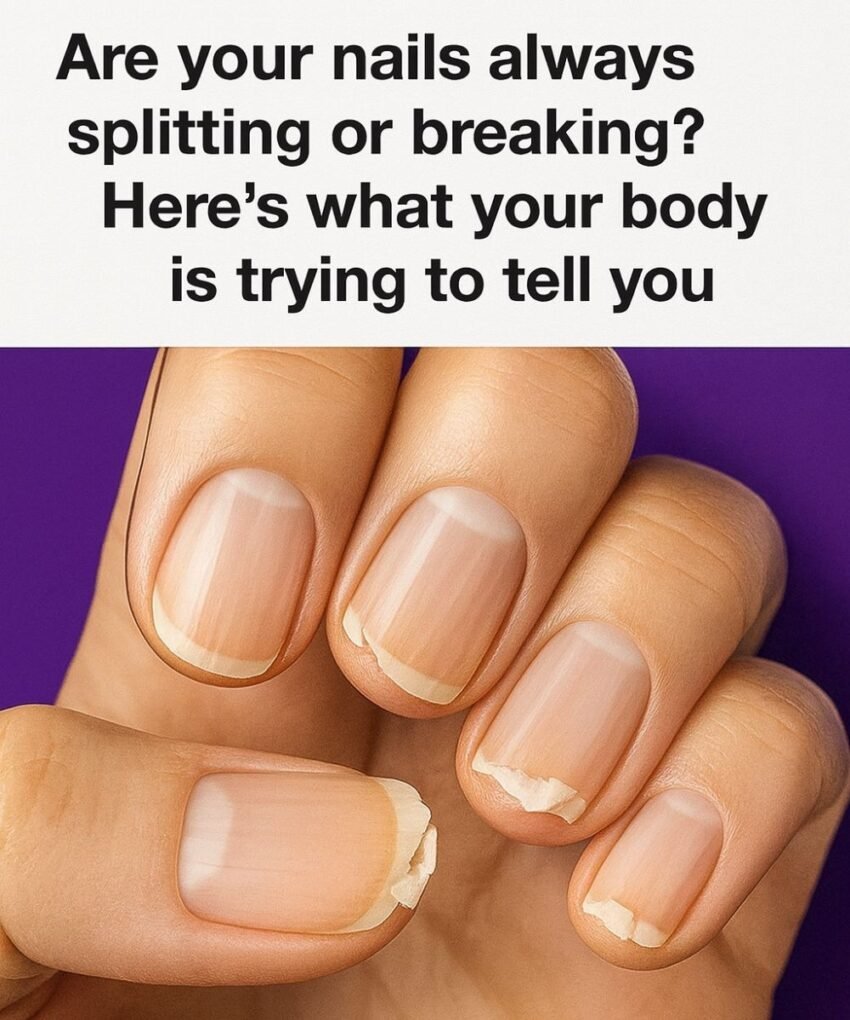
Are Your Nails Always Splitting or Breaking? What Your Body Is Trying to Tell You
Nails can provide visible clues about overall health. When nails frequently split, peel, or break, it may be more than a cosmetic issue. These changes can reflect nutritional gaps, lifestyle factors, or underlying health conditions. Understanding the possible causes can help address the problem more effectively.
Nutrient Deficiencies
One of the most common reasons for brittle or splitting nails is a lack of essential nutrients.
Protein Deficiency
Nails are made primarily of keratin, a type of protein. Inadequate protein intake can weaken nail structure, making nails thin and prone to breakage.
Iron Deficiency
Low iron levels may cause nails to become brittle, flat, or spoon-shaped. Iron deficiency can also be associated with fatigue, weakness, and pale skin.
Biotin and B Vitamin Deficiency
Biotin (vitamin B7) plays a key role in nail strength. Low levels may lead to peeling or splitting nails. Other B vitamins, such as B12 and folate, also support healthy nail growth.
Zinc Deficiency
Zinc is important for cell growth and repair. A deficiency may result in weak nails, white spots, or slow nail growth.
Dehydration and Moisture Imbalance
Nails require proper hydration to remain flexible. Dehydration can make them dry and brittle. On the other hand, excessive exposure to water, such as frequent hand washing or dishwashing, can strip natural oils from the nails, leading to splitting and peeling.
Environmental and Lifestyle Factors
Daily habits can significantly affect nail health.
-
Frequent use of harsh soaps, detergents, or cleaning chemicals
-
Regular application and removal of nail polish or gel manicures
-
Repeated trauma from typing, cleaning, or nail biting
These factors weaken the nail surface over time and increase the risk of breakage.
Hormonal Changes
Hormonal fluctuations, such as those during pregnancy, menopause, or thyroid disorders, can influence nail growth and strength. An underactive or overactive thyroid is commonly associated with brittle or fragile nails.
Underlying Medical Conditions
Chronic nail splitting may be linked to medical conditions such as anemia, psoriasis, eczema, or circulation issues. In these cases, nail changes often appear alongside other symptoms affecting the skin, hair, or overall energy levels.
When to Seek Medical Advice
If nail splitting persists despite good nutrition and nail care, or if it occurs alongside symptoms such as fatigue, hair loss, or skin changes, medical evaluation may be appropriate. Blood tests can help identify nutrient deficiencies or hormonal imbalances.
Supporting Nail Health
Improving nail strength often involves a combination of internal and external care:
-
Eat a balanced diet rich in protein, iron, and vitamins
-
Stay adequately hydrated
-
Use gloves when cleaning or washing dishes
-
Limit harsh nail treatments and excessive filing
Conclusion
Splitting or breaking nails can be an early signal that the body needs attention, particularly in terms of nutrition, hydration, or hormonal balance. Paying attention to these signs and addressing the root causes can help restore nail strength and support overall health.