Managing an Itchy Rash Under the Breasts When a Doctor Is Unavailable
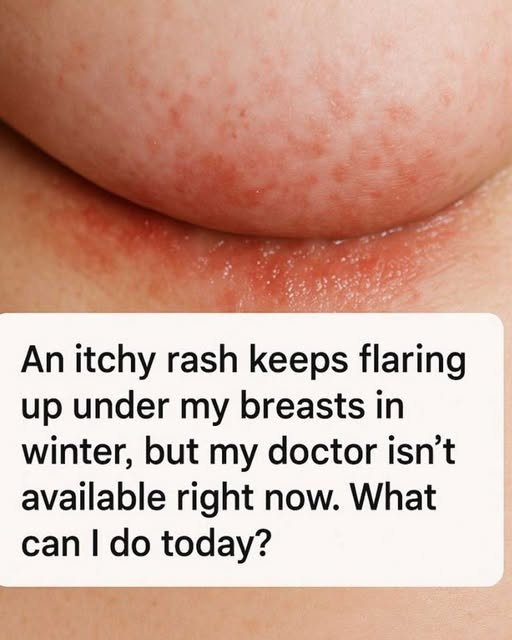
An itchy rash under the breasts that flares up in winter is a common problem. It is often related to moisture, friction, and skin irritation, and in some cases involves a superficial fungal (yeast) overgrowth. While a definitive diagnosis requires a clinician, there are practical, safe steps you can take today to reduce discomfort and prevent worsening.
Common Causes
Rashes in this area are frequently due to one or more of the following:
-
Intertrigo: Skin irritation caused by friction and trapped moisture in skin folds
-
Yeast (Candida) overgrowth: Often develops in warm, moist areas and causes itching and redness
-
Dry winter skin: Cold weather and indoor heating can weaken the skin barrier
-
Contact irritation: From soaps, detergents, bras, or sweat
Immediate Self-Care Measures
Gentle Cleansing
-
Clean the area once daily with lukewarm water and a mild, fragrance-free cleanser
-
Avoid scrubbing; gently rinse and pat dry with a soft towel
Thorough Drying
-
Ensure the skin is completely dry after washing
-
A hair dryer on a cool, low setting can help dry skin folds safely
Moisture Control
-
Place a clean, dry cotton cloth or gauze under the breasts to absorb moisture
-
Change it if it becomes damp
-
Wear loose, breathable bras or cotton undergarments
Over-the-Counter Treatments
Antifungal Creams
If yeast is a possibility, these are reasonable first-line options:
-
Clotrimazole 1% or miconazole 2% cream
-
Apply a thin layer twice daily
-
Continue for 7–14 days, even if symptoms improve sooner
Barrier Protection
-
Zinc oxide creams (commonly used for diaper rash) can protect irritated skin and reduce friction
-
Apply a thin layer after antifungal medication has absorbed
What to Avoid
-
Fragranced powders or creams
-
Cornstarch, which can promote yeast growth
-
Heavy oils or ointments that trap moisture
-
Using topical steroid creams alone unless advised by a clinician, as they may worsen fungal rashes
When to Seek Medical Care
Seek urgent care, telehealth, or in-person evaluation if you notice:
-
Rapidly spreading redness or swelling
-
Cracks, oozing, foul odor, or signs of infection
-
Pain, fever, or systemic symptoms
-
No improvement after 1–2 weeks of appropriate antifungal treatment
-
Frequent recurrences, which may require prescription medication or further evaluation
Prevention Tips for the Future
-
Keep the area clean and dry year-round
-
Change out of damp clothing promptly
-
Choose well-fitting, breathable bras
-
Use gentle, fragrance-free skin products
These steps can help control symptoms until you are able to see your doctor and may also reduce the likelihood of future flares.