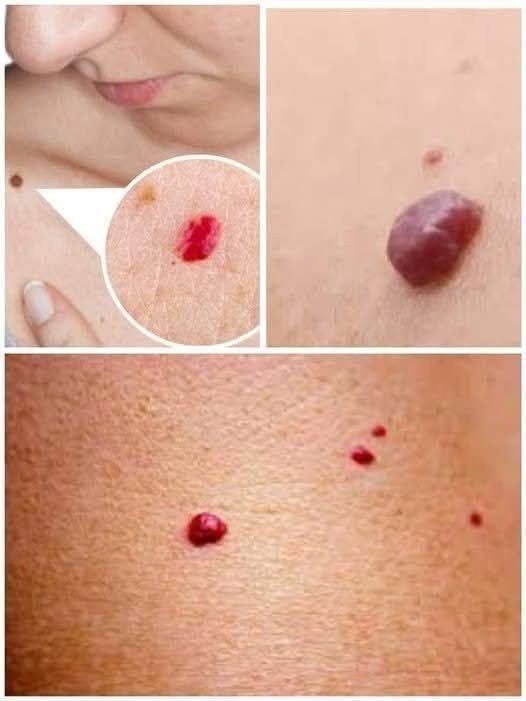
If You Have Red Dots on Your Skin, It May Be a Sign of an Underlying Issue
Introduction
Red dots on the skin are a common concern and can appear suddenly or develop over time. While many people ignore them, assuming they are harmless, these marks can sometimes indicate an underlying health condition. Understanding what red dots may represent can help you decide when medical attention is necessary.
What Are Red Dots on the Skin?
Red dots can vary in size, shape, and texture. They may be flat or raised, itchy or painless, and isolated or widespread. Their appearance often provides clues about their cause, but a proper diagnosis requires medical evaluation.
Common Causes of Red Dots on the Skin
Allergic Reactions
Allergies to food, medication, cosmetics, or environmental factors can cause small red spots or rashes. These are often accompanied by itching or swelling.
Cherry Angiomas
These are small, bright red bumps caused by enlarged blood vessels. They are generally harmless and more common with aging.
Heat Rash
Blocked sweat glands can cause clusters of red dots, especially in hot or humid conditions.
Skin Infections
Bacterial, viral, or fungal infections may lead to red spots, sometimes with pain, warmth, or discharge.
Blood Vessel or Circulation Issues
Certain red dots, such as petechiae, may result from bleeding under the skin and can be linked to circulation or blood-related conditions.
Vitamin Deficiencies
Lack of certain nutrients, such as vitamin C or vitamin K, can contribute to skin changes, including red or purplish spots.
When Red Dots May Signal a Health Concern
Red dots should not be ignored if they:
-
Appear suddenly and spread quickly
-
Are accompanied by fever, fatigue, or pain
-
Do not fade over time
-
Are associated with unexplained bruising or bleeding
In such cases, medical evaluation is important to rule out serious conditions.
When to See a Doctor
Consult a healthcare professional if red dots persist, worsen, or are accompanied by other unusual symptoms. Early diagnosis can prevent complications and ensure proper treatment.
Conclusion
Red dots on the skin are not always dangerous, but they should not be dismissed without consideration. While many causes are harmless, some may signal underlying health issues. Paying attention to changes in your skin and seeking medical advice when needed is essential for overall well-being.
This article is for informational purposes only and does not replace professional medical advice.