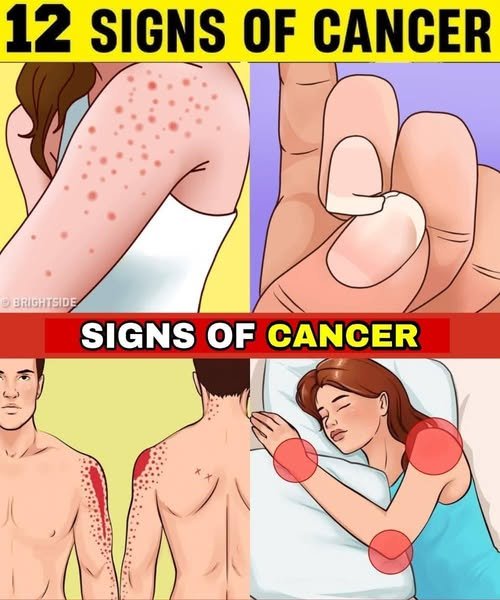
12 Early Warning Signs Your Body May Be Developing Cancer Cells
Cancer often develops silently, and many early symptoms are vague or easy to dismiss. Importantly, having one or more of these signs does not mean you have cancer. Most are caused by non-cancerous conditions. However, symptoms that are persistent, unexplained, or worsening should be evaluated by a healthcare professional.
1. Unexplained Weight Loss
Losing weight without changes in diet or activity—especially more than 5% of body weight over a few months—can be an early sign of several cancers, including gastrointestinal and lung cancers.
2. Persistent Fatigue
Ongoing exhaustion that does not improve with rest may occur when the body is fighting disease. This type of fatigue is different from everyday tiredness and can interfere with daily activities.
3. Unusual Lumps or Swelling
New lumps or thickened areas under the skin—particularly in the breast, neck, armpit, or groin—should always be checked, even if they are painless.
4. Changes in Bowel or Bladder Habits
Long-lasting diarrhea, constipation, blood in stool or urine, or changes in urinary frequency may signal colorectal, bladder, or prostate cancer.
5. Persistent Pain
Ongoing pain without a clear cause, especially in the back, abdomen, pelvis, or bones, can sometimes be an early warning sign.
6. Abnormal Bleeding or Discharge
This includes:
-
Vaginal bleeding between periods or after menopause
-
Blood in stool, urine, or sputum
-
Nipple discharge (especially if bloody)
Such symptoms should be assessed promptly.
7. Changes in the Skin
Watch for:
-
New moles or changes in existing moles
-
Sores that do not heal
-
Yellowing of the skin or eyes
-
Darkening or redness of the skin
These may be linked to skin or internal cancers.
8. Persistent Cough or Hoarseness
A cough or hoarse voice lasting more than three weeks, especially with blood or chest pain, may require investigation.
9. Difficulty Swallowing or Indigestion
Persistent trouble swallowing, chronic heartburn, or pain after eating can be associated with cancers of the esophagus or stomach.
10. Frequent Infections or Slow Healing
Repeated infections or wounds that heal poorly may indicate problems with the immune system, sometimes seen in blood-related cancers.
11. Night Sweats or Fever Without Infection
Unexplained fevers or drenching night sweats—especially when they occur repeatedly—can be associated with certain cancers such as lymphoma.
12. Appetite Loss or Feeling Full Quickly
A sudden lack of appetite or feeling full after eating small amounts may be linked to abdominal or ovarian cancers.
When to See a Doctor
You should seek medical advice if a symptom:
-
Persists for more than two to three weeks
-
Has no obvious explanation
-
Is getting worse over time
-
Occurs alongside weight loss, fatigue, or pain
Early evaluation can lead to earlier diagnosis and better outcomes.
Final Note
Awareness is not about fear—it is about paying attention to changes in your body. Routine screenings, healthy habits, and timely medical care remain the most effective tools for cancer prevention and early detection.
If you want, I can also provide gender-specific signs, age-based screening recommendations, or help you decide which symptoms need urgent attention.