If Your Hands Fall Asleep, It Could Be a Sign That You Might Have…
Tingling, numbness, or the sensation that your hands are “falling asleep” is very common. Most of the time, it happens when pressure temporarily compresses nerves or reduces blood flow, such as when you sleep on your arm. However, persistent or frequent episodes can indicate underlying medical issues.
1. Pinched Nerve in the Wrist or Neck
-
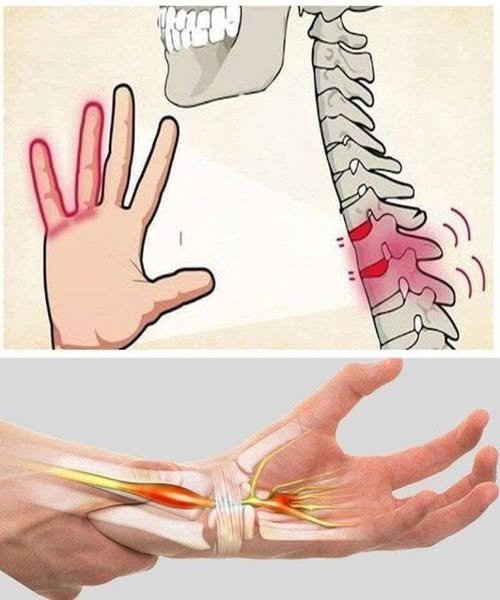
Carpal Tunnel Syndrome (CTS): Pressure on the median nerve at the wrist can cause tingling, numbness, or weakness in the thumb, index, and middle fingers.
-
Cervical Spine Issues: Herniated discs or arthritis in the neck can compress nerves that travel down the arm, causing hand numbness.
2. Poor Circulation
Reduced blood flow to your hands can make them feel tingly or numb. Causes include:
-
Peripheral artery disease (PAD)
-
Blood clots (rare but serious)
-
Cold temperatures or tight clothing
3. Vitamin or Mineral Deficiencies
Low levels of certain nutrients can affect nerve function:
-
Vitamin B12 deficiency may cause numbness, tingling, and a “pins and needles” sensation.
-
Other deficiencies, such as vitamin B6 or magnesium, can also contribute.
4. Diabetes
High blood sugar can damage nerves over time, a condition called diabetic neuropathy. Numbness or tingling in hands (and feet) is often an early warning sign.
5. Repetitive Strain or Overuse
Activities that strain your hands, wrists, or forearms—like typing, gaming, or using tools—can compress nerves, leading to temporary or chronic numbness.
6. Other Medical Conditions
Less common causes include:
-
Multiple sclerosis (MS)
-
Hypothyroidism
-
Autoimmune conditions such as lupus
These usually present with additional symptoms beyond hand tingling.
When to See a Doctor
Seek medical attention if you experience:
-
Persistent numbness or tingling
-
Weakness in your hands or difficulty gripping
-
Pain, swelling, or sudden changes in sensation
-
Tingling that spreads to arms or other parts of the body
Early evaluation can prevent complications and help treat the underlying cause.
What You Can Do at Home
-
Avoid sleeping on your arms
-
Take regular breaks from repetitive tasks
-
Stretch wrists, hands, and neck gently
-
Maintain a balanced diet with sufficient B vitamins
-
Monitor blood sugar if you have diabetes or risk factors
Bottom Line
Occasional hand numbness is usually harmless. However, frequent, persistent, or worsening tingling can signal nerve compression, circulation issues, vitamin deficiencies, or other underlying conditions. Paying attention to your body and getting proper medical evaluation is the safest approach.
If you want, I can also make a short “viral” version like:
“7 Reasons Your Hands Keep Falling Asleep—Doctors Warn Not to Ignore” that’s scroll-friendly for social media.
Do you want me to do that?