If You Have Red Dots on Your Skin, It May Be a Sign That Something Needs Attention
Red dots on the skin are very common and, in most cases, harmless. However, their appearance, size, and behavior can offer clues about what is happening in your body. Understanding the possible causes helps you know when to relax—and when to seek medical advice.
First, Don’t Panic
Not all red dots mean illness. Many are related to minor skin changes, aging, allergies, or temporary irritation. A “clear sign” depends entirely on what the dots look like and how they behave.
Common Causes of Red Dots on the Skin
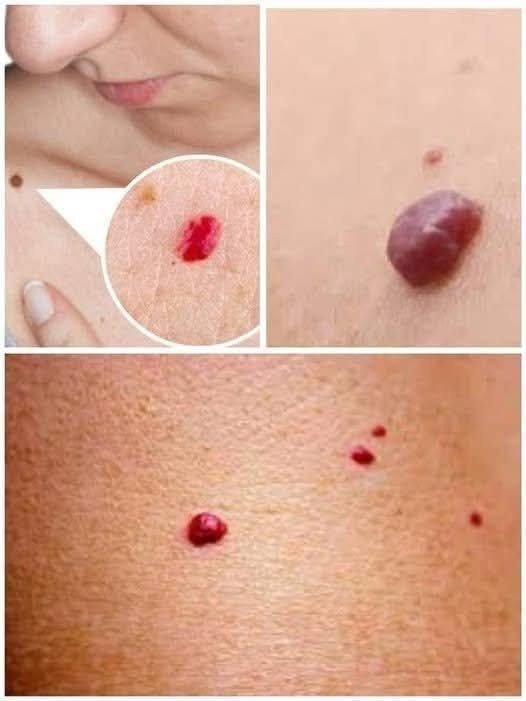
Cherry Angiomas (Very Common and Harmless)
These are small, bright red or purple dots caused by clusters of blood vessels.
Key features:
-
Smooth and round
-
Do not itch or hurt
-
Do not fade when pressed
-
Increase with age
They are benign and usually require no treatment.
Petechiae (Tiny Red or Purple Spots)
Petechiae are very small dots caused by minor bleeding under the skin.
They may appear after:
-
Intense coughing or vomiting
-
Heavy lifting
-
Certain medications
Important note:
If petechiae appear suddenly, spread rapidly, or are accompanied by fever or fatigue, medical evaluation is important.
Allergic Reactions
Allergies can cause red dots or patches that may itch or burn.
Common triggers include:
-
Foods
-
Medications
-
Skincare products
-
Detergents
These dots often fade once the trigger is removed.
Heat Rash
Blocked sweat glands can cause clusters of small red dots, especially in hot or humid conditions.
Usually seen on:
-
Neck
-
Chest
-
Back
-
Skin folds
Heat rash is temporary and improves with cooling.
Folliculitis (Inflamed Hair Follicles)
Red dots may form around hair follicles due to bacteria, friction, or shaving.
They may:
-
Look like tiny pimples
-
Be mildly tender or itchy
Good hygiene and avoiding irritation usually help.
When Red Dots May Signal a Health Issue
You should seek medical advice if red dots:
-
Appear suddenly and spread quickly
-
Do not fade when pressed
-
Are accompanied by fever, weakness, or pain
-
Are associated with unexplained bruising or bleeding
-
Change in size, color, or shape
In rare cases, red spots may be linked to circulation problems, blood disorders, or infections.
What You Can Do at Home
-
Observe changes over several days
-
Avoid scratching
-
Stop using new products temporarily
-
Keep skin clean and cool
-
Take clear photos to track changes
Never self-diagnose serious conditions based on appearance alone.
The Bottom Line
Red dots on the skin are usually harmless, but they are your body’s way of signaling that something—minor or occasionally more serious—may need attention. The key is context: symptoms, changes, and persistence matter more than appearance alone.
If you want, tell me:
-
Where the dots are located
-
Whether they itch or hurt
-
If they appeared suddenly or slowly
I can help narrow down the most likely cause and whether it’s something to watch or check with a doctor.