Useful Tricks With Aspirin Every Woman Should Know
Aspirin is one of the most widely used medications in the world. While it is best known for relieving pain and reducing fever, it has several evidence-based uses that many women may not fully understand. Knowing how and when aspirin can help—and when it should be avoided—is essential for safe and effective use.
What Aspirin Is and How It Works
Aspirin (acetylsalicylic acid) belongs to a group of drugs called nonsteroidal anti-inflammatory drugs (NSAIDs). It works by reducing inflammation, lowering pain signals, and preventing blood platelets from clumping together.
Because of these effects, aspirin is used not only for pain relief but also for specific medical prevention strategies.
Relief From Menstrual Pain
Aspirin can help reduce menstrual cramps by lowering prostaglandins, the chemicals responsible for uterine contractions and pain.
Important notes:
-
It may be effective for mild to moderate cramps
-
It should be taken with food to reduce stomach irritation
-
It may not be suitable for women with heavy menstrual bleeding, as aspirin can increase bleeding
Women with severe cramps or underlying conditions should consult a healthcare provider before relying on aspirin regularly.
Headache and Migraine Support
Aspirin can help relieve tension headaches and some migraines, especially when taken early in the headache phase.
It may be more effective when:
-
Taken at the first sign of pain
-
Combined with rest and hydration
-
Used occasionally rather than daily
Frequent headaches should be medically evaluated to avoid overuse.
Heart Health Awareness
Low-dose aspirin is sometimes prescribed to reduce the risk of heart attack or stroke in certain women, particularly those with higher cardiovascular risk.
However:
-
It is not recommended for everyone
-
Daily aspirin should only be taken under medical guidance
-
Unnecessary use increases the risk of stomach bleeding and ulcers
Never start daily aspirin therapy without a healthcare provider’s approval.
Reducing Mild Inflammation and Muscle Pain
For occasional muscle aches, joint discomfort, or inflammation after physical activity, aspirin can be effective.
To use it safely:
-
Follow recommended dosing instructions
-
Avoid combining it with other NSAIDs unless advised
-
Stop use if stomach pain or unusual bruising occurs
Fever Reduction During Illness
Aspirin can reduce fever in adults. However, it should never be given to children or teenagers due to the risk of Reye’s syndrome.
For adults:
-
Use the lowest effective dose
-
Avoid prolonged use without medical advice
Important Safety Warnings Every Woman Should Know
Aspirin is not harmless and should be avoided or used with caution if you:
-
Are pregnant (especially in the third trimester)
-
Have stomach ulcers or acid reflux
-
Have bleeding disorders
-
Are taking blood thinners
-
Have aspirin sensitivity or asthma triggered by NSAIDs
Side effects may include stomach irritation, bleeding, ringing in the ears, or allergic reactions.
Common Myths About Aspirin
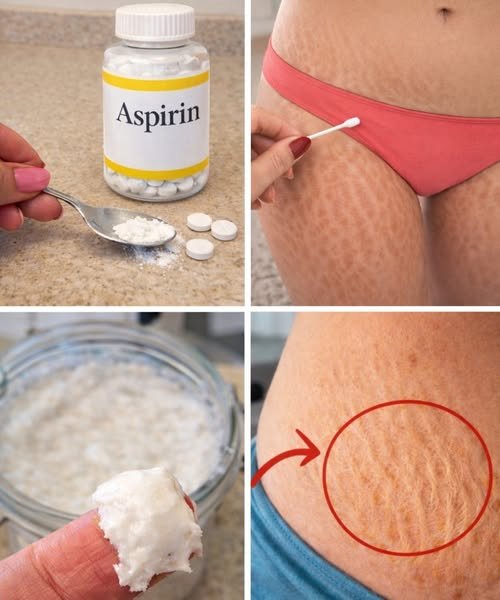
There are many internet claims about aspirin being used for beauty treatments, skin care, or home remedies. Crushing or applying aspirin to the skin is not medically recommended and can cause irritation or chemical burns.
Stick to medically supported uses only.
When to Talk to a Healthcare Provider
Consult a professional if you:
-
Need aspirin frequently
-
Experience unusual bleeding or bruising
-
Have chronic pain or inflammation
-
Are considering daily aspirin use
Conclusion
Aspirin can be a helpful medication when used correctly, but it is not a one-size-fits-all solution. Understanding its benefits, limitations, and risks allows women to make safer, smarter health decisions. When in doubt, professional medical advice is always the best guide.
If you want this adapted for a women’s health blog, magazine article, or simplified for social media, I can rewrite it accordingly.