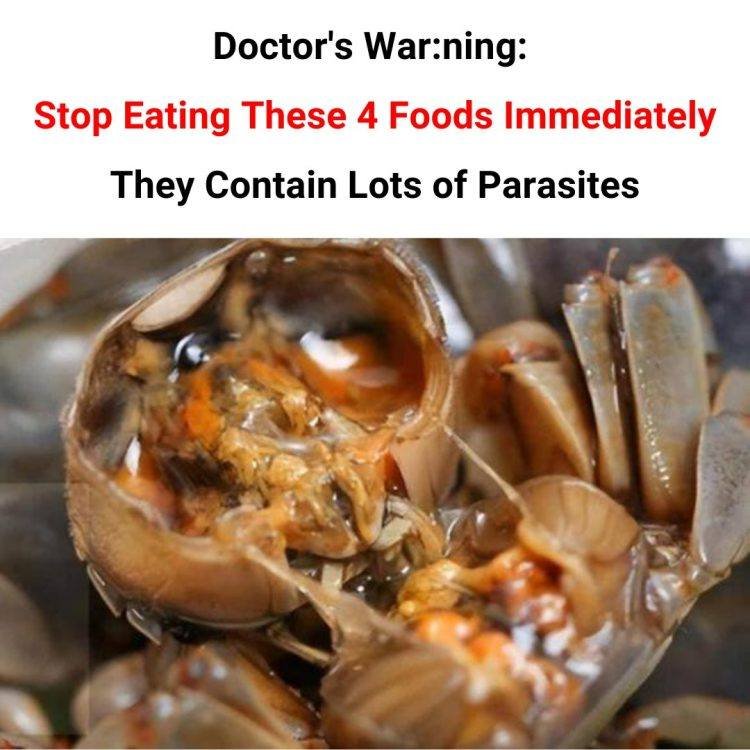
Short answer: The claim “Doctors warn: Limit eating these 4 foods immediately because they contain a lot of parasites” that’s been circulating online isn’t accurate as a blanket statement and is mostly misleading or exaggerated.
Here’s a clear breakdown of what experts actually say about parasites in food:
1. Parasites can be present in food — but context matters
Foodborne parasites do exist and can cause illness, but they’re not common in everyday meals in most modern food supply systems. Parasites like Giardia, Cryptosporidium, Toxoplasma, and certain tapeworms can contaminate food if hygiene or cooking is poor, especially in developing regions.
2. Foods at higher risk (but not “full of parasites”)
Experts identify certain categories of food that are more likely to carry parasites if improperly handled or cooked, not that they always contain them:
- Undercooked or raw meats, especially pork or game — can carry parasites like Trichinella.
- Raw or undercooked fish — some fish may have parasite larvae unless properly frozen and cooked.
- Raw produce that hasn’t been washed — can be contaminated if grown in soil with parasite eggs.
- Unpasteurized dairy products — the risk increases if milk or cheese isn’t properly processed.
Again, these risks exist in specific situations — they’re not guarantees that those foods are “full of parasites.”
3. Safety measures greatly reduce the risk
Parasite risk is almost always tied to poor food handling or undercooking. You can protect yourself by:
- Cooking meat and fish thoroughly to safe internal temperatures.
- Washing fruits and vegetables before eating.
- Using clean, treated water for drinking and washing produce.
- Ensuring dairy products are pasteurized.
These practices make parasitic infections rare in countries with strong food safety systems.
4. Beware of exaggerated social media claims
Content that says “these specific foods always contain parasites” rarely comes from reputable medical sources. Sometimes, myths originate from unverified anecdotes or oversimplified warnings (e.g., an Ayurved practitioner warning about raw beetroot contamination), which doesn’t reflect mainstream food safety science.
5. When parasites do matter clinically
Parasitic infections can cause symptoms like diarrhoea, cramps, nausea, and fatigue — and they are real illnesses in many parts of the world. But they typically occur through contaminated water, extremely poor hygiene, or undercooked raw foods in unsafe environments, not simply from eating everyday foods in developed settings when properly prepared.
Bottom line
- It’s not true that four specific foods always contain lots of parasites.
- Certain foods can carry parasites, especially if mishandled or not cooked properly.
- Practicing good food hygiene and safe cooking eliminates most risks.
If you want, I can list specific parasites linked to certain foods plus how to prepare them safely to avoid infection — just let me know! 👩⚕️🍽️