What Is This Vintage Nutcracker? Full Guide to Its History, Use, and Care
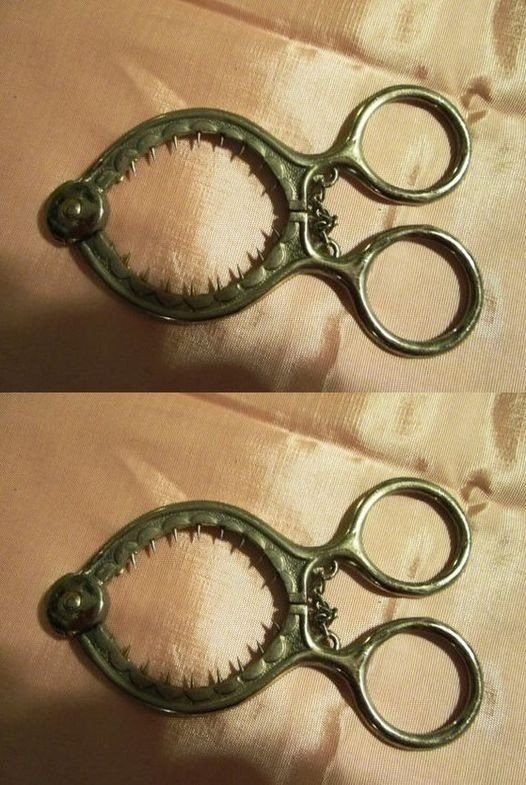
While cleaning your grandparents’ house, you might stumble upon unusual objects that pique curiosity—like the intriguing tool in your photo. This metal scissor-shaped item with jagged teeth inside the oval opening is a vintage nutcracker, a classic kitchen gadget designed to crack open hard nut shells. Here’s everything you need to know about it.
What Is a Vintage Nutcracker?
A nutcracker is a hand tool used to crack the tough shells of nuts such as walnuts, pecans, hazelnuts, and Brazil nuts. Unlike modern plastic or spring-loaded versions, vintage nutcrackers often resemble scissors or pliers and are made from sturdy metal like steel or brass.
The jagged “teeth” inside the oval opening grip the nut firmly to prevent slipping while you squeeze the handles, applying enough pressure to crack the shell without crushing the nut inside.
History of Nutcrackers
- Nutcrackers have been around for centuries, evolving from simple wooden levers to more complex metal designs.
- Early European nutcrackers were often made of cast iron or brass, sometimes ornately decorated.
- The scissor-style nutcracker, like the one in your photo, became popular in the 19th and early 20th centuries as a durable, efficient kitchen tool.
- Nutcrackers also became decorative items and even symbolic gifts, especially during the holiday season.
How to Use This Vintage Nutcracker
- Place a single nut inside the oval, between the jagged teeth.
- Grip the handles firmly with your hand.
- Slowly squeeze the handles to crack the shell. The jagged teeth hold the nut in place, minimizing slipping.
- Remove the cracked shell pieces carefully to access the nut meat inside.
- Be gentle to avoid crushing the edible part of the nut.
This design allows more control compared to hammering or using less precise tools.
Advantages of This Design
- Durability: Made from solid metal, these nutcrackers can last generations.
- Control: The scissor-like handles provide leverage and precision.
- Aesthetic appeal: Many vintage nutcrackers have a charming, antique look that collectors appreciate.
Care and Maintenance
- Keep it dry to prevent rusting—wipe with a dry cloth after use.
- If rust appears, gently clean with fine steel wool or a rust remover.
- Occasionally oil the hinge to keep the movement smooth.
- Store in a dry place, ideally wrapped in cloth to protect it.
Nutcracker Collecting and Value
- Antique or vintage nutcrackers like this can be collectible items, especially if they have unique designs or maker’s marks.
- Some specialty shops and online marketplaces buy and sell vintage kitchen tools.
- Even if not collectible, these nutcrackers are fully functional and add a nostalgic touch to your kitchen tools.
Alternatives to Vintage Nutcrackers
Modern nutcrackers come in many styles:
- Spring-loaded pliers for easy use
- Lever-action nutcrackers for extra force
- Electric nutcrackers for bulk cracking
But many people prefer vintage nutcrackers for their charm and hands-on experience.
Conclusion
The metal scissor-shaped tool with jagged teeth you found in your grandparents’ drawer is a classic vintage nutcracker designed for cracking hard nut shells with precision and control. It’s a wonderful piece of culinary history, combining functionality with nostalgic charm.
Using and caring for it properly lets you enjoy cracking nuts the traditional way or adds a unique collectible to your kitchen.
If you want, I can help you with:
- Recipes featuring fresh nuts you crack yourself
- Tips for safely cracking different types of nuts
- How to identify collectible nutcracker styles and makers
Just ask!