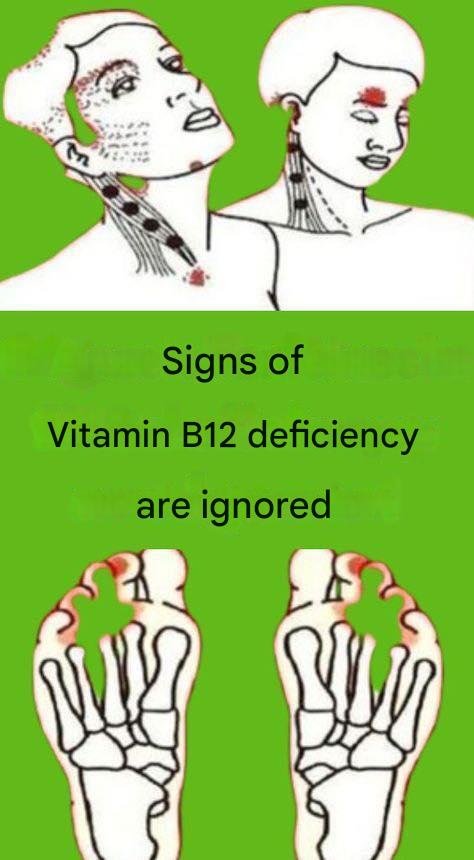
⚠️ Common Signs of Vitamin B12 Deficiency
1️⃣ Constant Fatigue or Weakness
-
Feeling tired even after enough sleep
-
Happens because low B12 reduces red blood cell production, causing less oxygen to reach tissues.
2️⃣ Numbness or Tingling
-
“Pins and needles” sensation in hands or feet
-
Caused by nerve damage when B12 is too low.
3️⃣ Pale or Slightly Yellow Skin
-
Reduced red blood cells can make skin look pale or slightly yellowish.
4️⃣ Memory Problems or Brain Fog
-
Trouble concentrating
-
Forgetfulness or mental confusion.
5️⃣ Mood Changes
-
Irritability, anxiety, or depression may occur because B12 affects brain chemicals.
6️⃣ Balance or Walking Problems
-
Difficulty maintaining balance due to nerve involvement.
7️⃣ Glossitis (Swollen Tongue)
-
Tongue may appear smooth, red, or swollen and can feel sore.
8️⃣ Shortness of Breath or Dizziness
-
Caused by anemia linked to low B12 levels.
👥 Who Is at Higher Risk?
-
Vegetarians or vegans (B12 is mostly in animal foods)
-
Adults over 50
-
People with digestive disorders (e.g., **Celiac disease or **Crohn’s disease)
-
People taking certain medications such as **Metformin or long-term antacids.
🥗 Foods Rich in Vitamin B12
-
Fish (salmon, tuna)
-
Meat and poultry
-
Eggs
-
Milk and dairy products
-
Fortified cereals and plant-based milks
🩺 When to See a Doctor
If you notice several of these symptoms, a doctor may order a blood test to check B12 levels. Early treatment with diet changes, supplements, or injections can prevent long-term nerve damage.
✅ Bottom line: Vitamin B12 deficiency can cause fatigue, nerve problems, mood changes, and anemia. Because symptoms develop slowly, many people ignore them—but early detection makes treatment much easier.
If you’d like, I can also show you 10 surprising signs of vitamin deficiencies your body gives early (many people miss them). 🧠💡