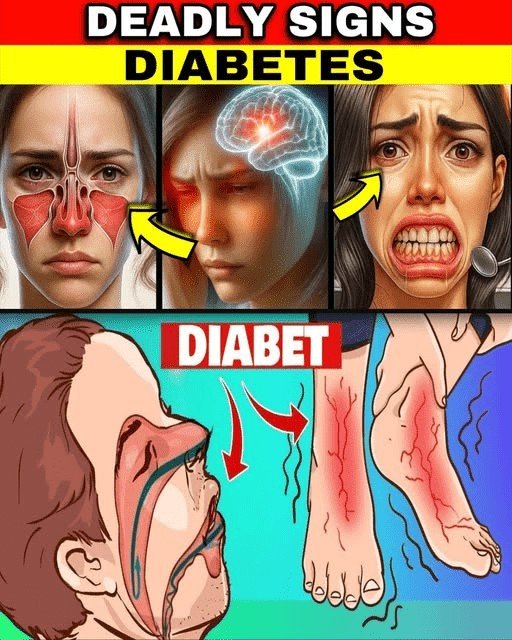
1. Uncontrolled Blood Sugar Levels
-
What it means: Constantly elevated blood sugar levels (hyperglycemia) or very low levels (hypoglycemia) are a clear sign that diabetes is not well-managed. When blood sugar stays high over time, it can damage blood vessels, organs, and nerves.
-
Symptoms:
-
Extreme fatigue
-
Blurred vision
-
Unexplained weight loss
-
Increased thirst and frequent urination
-
-
Why it’s dangerous: Uncontrolled blood sugar can lead to diabetic ketoacidosis (DKA), a life-threatening condition in type 1 diabetes, or hyperosmolar hyperglycemic state (HHS) in type 2 diabetes, which can cause organ failure and even death.
2. Chronic Kidney Disease (Kidney Failure)
-
What it means: Diabetes is one of the leading causes of kidney damage (diabetic nephropathy). Over time, high blood sugar can damage the small blood vessels in the kidneys, leading to kidney failure.
-
Symptoms:
-
Swelling in the feet, ankles, or legs
-
Decreased urine output or changes in urine
-
Fatigue and weakness
-
Nausea and vomiting
-
-
Why it’s dangerous: If kidney damage progresses without treatment, it can result in kidney failure, requiring dialysis or a kidney transplant.
3. Nerve Damage (Diabetic Neuropathy)
-
What it means: High blood sugar levels over time can damage nerves, especially in the feet and legs (peripheral neuropathy). This can cause loss of sensation, pain, or muscle weakness.
-
Symptoms:
-
Tingling or burning sensations in the hands or feet
-
Loss of feeling in the feet, leading to unnoticed injuries or infections
-
Muscle weakness or loss of coordination
-
-
Why it’s dangerous: If untreated, nerve damage can lead to severe infections, amputations, or gangrene due to poor blood flow and lack of sensation.
4. Poor Wound Healing
-
What it means: Diabetes can reduce your body’s ability to heal wounds and fight infections due to poor blood circulation and nerve damage.
-
Symptoms:
-
Cuts, scrapes, or sores that take longer than usual to heal
-
Frequent infections that do not respond well to treatment
-
-
Why it’s dangerous: Wounds that don’t heal properly can become infected and lead to gangrene or more severe conditions, requiring amputation.
5. Vision Problems
-
What it means: High blood sugar levels can damage the blood vessels in the eyes, leading to diabetic retinopathy. This condition can cause vision loss or even blindness.
-
Symptoms:
-
Blurred vision
-
Sudden loss of vision
-
Floating spots or flashes of light in the vision
-
-
Why it’s dangerous: If left untreated, diabetic retinopathy can cause complete vision loss, making it a major cause of blindness among diabetics.
6. Severe Infections
-
What it means: People with diabetes are at a higher risk for infections due to poor circulation, nerve damage, and weakened immune function.
-
Symptoms:
-
Frequent skin or urinary tract infections
-
Infections that do not respond to antibiotics
-
Increased or persistent fever
-
-
Why it’s dangerous: Severe infections, especially if they go untreated, can lead to sepsis (a life-threatening blood infection) and organ failure.
7. Heart Disease and Stroke
-
What it means: Diabetes increases the risk of heart disease and stroke due to the damage it causes to blood vessels and the buildup of fatty deposits (plaque) in the arteries.
-
Symptoms:
-
Chest pain or discomfort
-
Shortness of breath
-
Sudden weakness or numbness on one side of the body
-
Difficulty speaking or understanding speech
-
-
Why it’s dangerous: Heart disease and stroke are leading causes of death in people with diabetes. Heart attacks, congestive heart failure, and stroke can occur as a result of the damage caused by uncontrolled blood sugar levels.
8. Unexplained Weight Loss
-
What it means: Unexplained weight loss, even though you are eating normally or more than usual, can be a sign of diabetic ketoacidosis (DKA) or uncontrolled diabetes. When the body cannot get enough insulin to use glucose for energy, it starts breaking down fat and muscle for fuel.
-
Symptoms:
-
Rapid weight loss
-
Excessive hunger or thirst
-
Fatigue
-
-
Why it’s dangerous: Uncontrolled weight loss is a sign that the body is not able to properly manage its energy stores. It can lead to muscle weakness, organ failure, or DKA, which can be life-threatening.
Conclusion:
Diabetes, when poorly controlled, can lead to serious, life-threatening complications. Recognizing the warning signs of complications such as kidney failure, nerve damage, poor wound healing, and heart disease is essential for managing the condition and preventing severe outcomes. Regular monitoring of blood sugar levels, medication adherence, and lifestyle changes (such as diet and exercise) are key in preventing or delaying these complications. If you notice any of these warning signs, seek medical attention immediately to address potential issues early on and manage your diabetes more effectively.