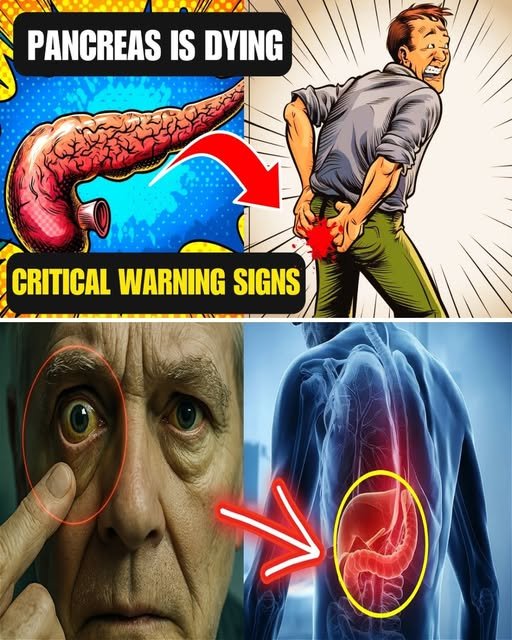
10 Symptoms of Pancreatic Cancer That Will Shock You
Pancreatic cancer is often called a silent disease because it frequently causes no obvious symptoms until it has grown or spread. Many of its early signs can be subtle or mistaken for common, less serious conditions, which is why awareness is vital.
1. Pain in the Upper Abdomen or Back
One of the most common symptoms is a dull, aching pain in the upper belly that may radiate to the back. This pain can come and go and may worsen after eating or when lying down.
2. Jaundice (Yellowing of Skin and Eyes)
Jaundice happens when a pancreatic tumour blocks the bile duct. It causes the skin and whites of the eyes to turn yellow, often accompanied by dark urine and pale stools.
3. Itchy Skin
Accumulation of bile in the bloodstream due to bile duct obstruction can lead to persistent itchiness all over the body. This is often linked with jaundice but can appear before other obvious signs.
4. Unintended Weight Loss
Unexplained weight loss without trying is one of the most common cancer symptoms. It may occur because the tumour affects appetite or disrupts digestion and metabolism.
5. Loss of Appetite
Many individuals with pancreatic cancer report suddenly losing interest in food or feeling full quickly, even after eating a small amount.
6. New‑Onset or Worsening Diabetes
The pancreas produces insulin. A tumour can damage insulin‑producing cells, leading to new‑onset diabetes, or causing previously controlled diabetes to become harder to manage.
7. Nausea and Vomiting
As the tumour grows, it can press on the stomach or small intestine, leading to nausea, vomiting, or feelings of bloating after meals.
8. Fatigue and Weakness
Persistent tiredness that doesn’t improve with rest is a common but non‑specific symptom of pancreatic cancer. This fatigue may also be related to weight loss and underlying metabolic changes.
9. Blood Clots
Pancreatic cancer increases the risk of forming blood clots, particularly in the legs. Symptoms can include pain, swelling, redness, or warmth in the affected limb.
10. Changes in Stool or Urine
Changes in bowel habits or characteristics can occur:
-
Pale, greasy stools that float due to lack of bile
-
Dark urine from excess bilirubin in the bloodstream
Why These Symptoms Are Often Missed
Pancreatic cancer symptoms are frequently mistaken for:
-
Acid reflux or indigestion
-
Back strain or muscular pain
-
Gallbladder or liver issues
Because many early signs are vague or resemble common digestive problems, diagnosis is often delayed until the disease has advanced.
What to Do If You Notice These Symptoms
None of the symptoms above definitively mean you have pancreatic cancer, but persistent, unexplained signs — especially several together — should prompt a medical evaluation. Early diagnosis significantly improves treatment options and outcomes.
Contact a healthcare provider if you experience:
-
Yellowing of skin or eyes
-
Unintentional weight loss
-
Persistent abdominal or back pain
-
New problems with digestion or diabetes
Final Note
Pancreatic cancer is serious and often difficult to detect early. Awareness of these subtle and shocking symptoms can help you seek attention sooner rather than later. Always talk to a qualified medical professional for personalized assessment and diagnosis.
If you want, I can also outline when to see a doctor urgently or what diagnostic tests are used to detect pancreatic cancer early. Just let me know.