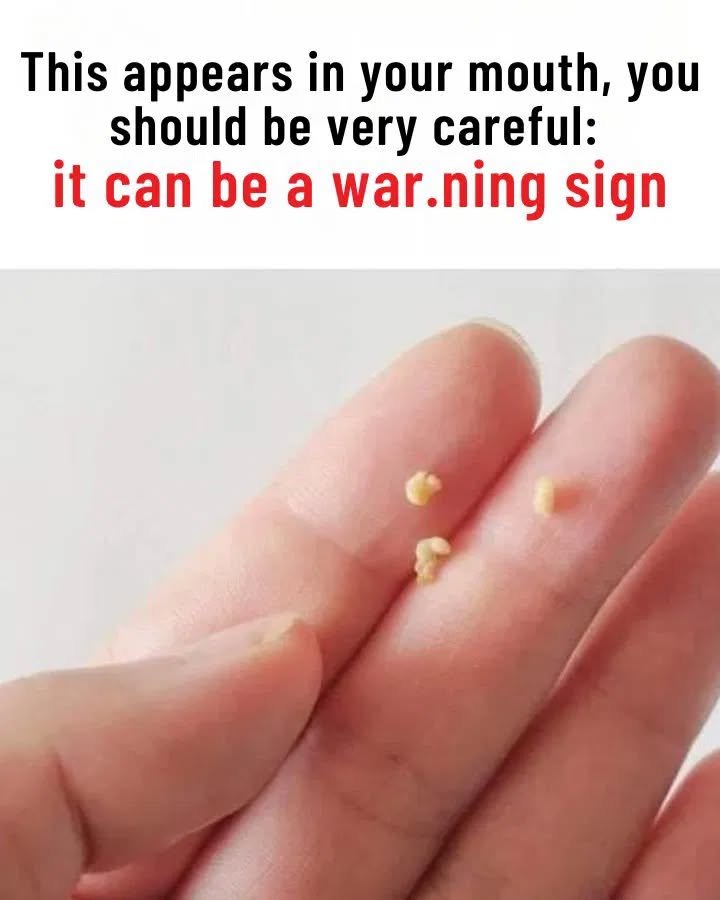
This Appears in Your Mouth: You Should Be Very Careful — It Can Be a Warning Sign
Introduction
Changes inside the mouth are often dismissed as minor issues. However, certain symptoms that appear on the tongue, gums, or inner cheeks can signal underlying health problems. While many conditions are harmless, some may indicate infections, nutritional deficiencies, or even serious diseases that require medical attention.
Being aware of these warning signs can help with early detection and treatment.
Persistent Mouth Sores
Occasional mouth ulcers are common and usually heal within one to two weeks. However, a sore that does not heal, bleeds easily, or continues to grow may be a serious concern.
When to Be Concerned
- A sore lasting longer than two weeks
- Unexplained bleeding
- Increasing pain
- Thickened or hardened tissue around the sore
Persistent sores can sometimes be an early sign of oral cancer and should be evaluated by a dentist or doctor promptly.
White or Red Patches
Unusual patches inside the mouth may require medical attention.
White Patches
White patches that cannot be scraped off may indicate leukoplakia, a condition sometimes linked to tobacco use and irritation. In rare cases, leukoplakia can develop into cancer.
Red Patches
Bright red patches, known as erythroplakia, are less common but more concerning. They have a higher likelihood of containing abnormal or precancerous cells.
Lumps, Thickening, or Swelling
Any unexplained lump, thickened area, or swelling inside the mouth or along the jawline should not be ignored. These changes can be related to infections, blocked glands, or more serious conditions.
If swelling interferes with chewing, swallowing, or speaking, seek medical care immediately.
Changes in the Tongue
The tongue can reveal important clues about overall health.
Warning Signs Include:
- Persistent pain or burning sensation
- Changes in color or texture
- Numbness
- Difficulty moving the tongue
While some changes may result from minor irritation or vitamin deficiencies, others can indicate infections or systemic illness.
Bleeding Gums and Loose Teeth
Bleeding gums are often a sign of gum disease. However, severe or sudden gum problems may also be linked to other health issues, including diabetes or immune disorders.
Loose teeth without trauma should always be examined by a dental professional.
Risk Factors That Increase Concern
Certain factors increase the risk that oral symptoms could signal something serious:
- Tobacco use
- Heavy alcohol consumption
- Human papillomavirus (HPV) infection
- Poor oral hygiene
- Family history of cancer
People with these risk factors should be especially vigilant.
When to See a Professional
Consult a healthcare provider if you experience:
- Any mouth lesion lasting more than two weeks
- Persistent pain
- Difficulty swallowing
- Unexplained bleeding
- A lump in the neck along with mouth symptoms
Early diagnosis significantly improves treatment outcomes.
Conclusion
Not every change in the mouth is dangerous. However, persistent sores, unusual patches, swelling, or unexplained pain should never be ignored. The mouth can provide early warning signs of broader health issues.
If something unusual appears and does not improve, professional evaluation is the safest course of action.