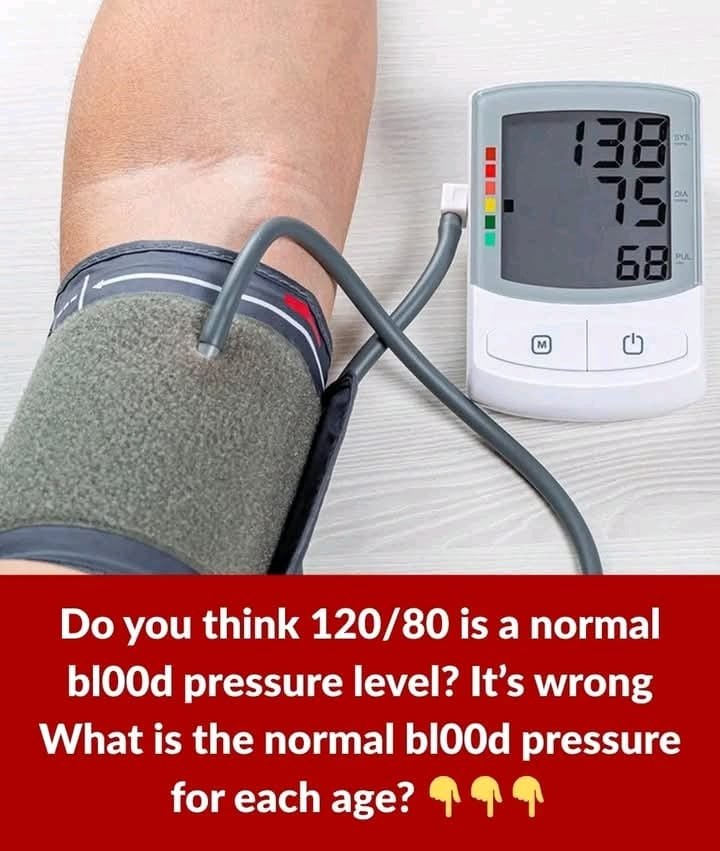
Blood pressure naturally changes as we age, but there are general “normal” ranges that doctors use as guidelines. Here’s a detailed breakdown by age:
1. Children and Adolescents
Blood pressure varies by age, sex, and height in children. Average ranges:
| Age | Normal Systolic (mmHg) | Normal Diastolic (mmHg) |
|---|---|---|
| 1–3 years | 85–105 | 35–65 |
| 4–5 years | 90–110 | 55–70 |
| 6–9 years | 95–115 | 60–75 |
| 10–12 years | 100–120 | 65–75 |
| 13–15 years | 105–125 | 70–80 |
| 16–18 years | 110–130 | 70–85 |
Note: Pediatric blood pressure is adjusted for height percentile, so your child’s doctor may reference growth charts.
2. Adults (18+ years)
| Category | Systolic (mmHg) | Diastolic (mmHg) |
|---|---|---|
| Normal | 90–120 | 60–80 |
| Elevated | 120–129 | <80 |
| Hypertension Stage 1 | 130–139 | 80–89 |
| Hypertension Stage 2 | ≥140 | ≥90 |
| Hypertensive Crisis | >180 | >120 (seek emergency care) |
3. Older Adults (60+ years)
- Blood pressure tends to rise slightly with age due to stiffening arteries.
- Doctors may tolerate slightly higher systolic numbers (up to 130–140 mmHg) if there are no other risk factors.
- Maintaining diastolic around 60–80 mmHg is still considered healthy.
Key Points to Remember
- Blood pressure fluctuates throughout the day. Stress, caffeine, and exercise temporarily raise it.
- Consistent readings above normal warrant medical evaluation.
- Lifestyle affects blood pressure: diet, exercise, weight, sleep, and alcohol consumption are major factors.
- Home monitoring is helpful for tracking trends, especially in adults over 40.
If you want, I can make a visual age-based blood pressure chart that’s easy to read at a glance—it’s handy for families or personal tracking.
Do you want me to make that chart?