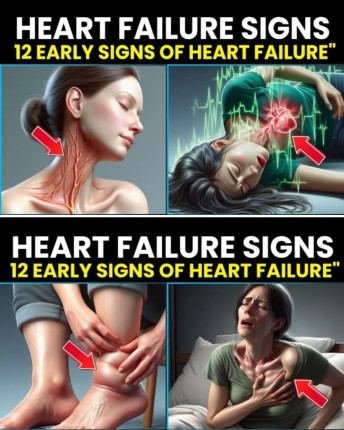
Heart failure doesn’t mean the heart has stopped—it means it isn’t pumping blood as effectively as it should. Recognizing early warning signs can make a major difference in treatment and outcomes.
Here are 11 early signs of heart failure you should never ignore:
1. Shortness of Breath (Dyspnea)
Feeling breathless during normal activities—or even while lying down—can signal fluid buildup in the lungs. Waking up gasping for air is especially concerning.
2. Persistent Fatigue
When the heart can’t pump efficiently, muscles and tissues don’t get enough oxygen-rich blood. Everyday tasks may suddenly feel exhausting.
3. Swelling in Legs, Ankles, or Feet (Edema)
Fluid retention commonly causes swelling in the lower extremities. Shoes or socks may feel tighter than usual.
4. Rapid or Irregular Heartbeat
The heart may beat faster to compensate for reduced pumping ability. You might feel palpitations or a fluttering sensation.
5. Persistent Cough or Wheezing
A chronic cough producing white or pink-tinged mucus can indicate fluid accumulation in the lungs.
6. Sudden Weight Gain
A rapid increase (e.g., 2–3 pounds in a day or 5 pounds in a week) may signal fluid retention.
7. Increased Need to Urinate at Night
Lying down improves blood flow to the kidneys, leading to more nighttime urination.
8. Difficulty Concentrating or Confusion
Reduced blood flow to the brain can impair memory, alertness, or focus—especially in older adults.
9. Loss of Appetite or Nausea
Fluid buildup around the digestive organs may cause bloating, nausea, or a feeling of fullness.
10. Chest Pain
While not always present, chest pain may indicate heart failure caused by coronary artery disease or an ongoing heart attack. Seek emergency care immediately.
11. Swelling of the Abdomen (Ascites)
Fluid can accumulate in the abdominal cavity, leading to bloating and discomfort.
When to Seek Medical Help
Contact a healthcare provider if you notice:
- Sudden or severe shortness of breath
- Fainting
- Chest pain
- Rapid swelling or weight gain
Heart failure is often linked to conditions like coronary artery disease, high blood pressure, diabetes, or previous heart attacks. Early diagnosis and treatment—including lifestyle changes and medication—can significantly improve quality of life.
If you’d like, I can also explain how heart failure is diagnosed or what lifestyle changes help prevent it.